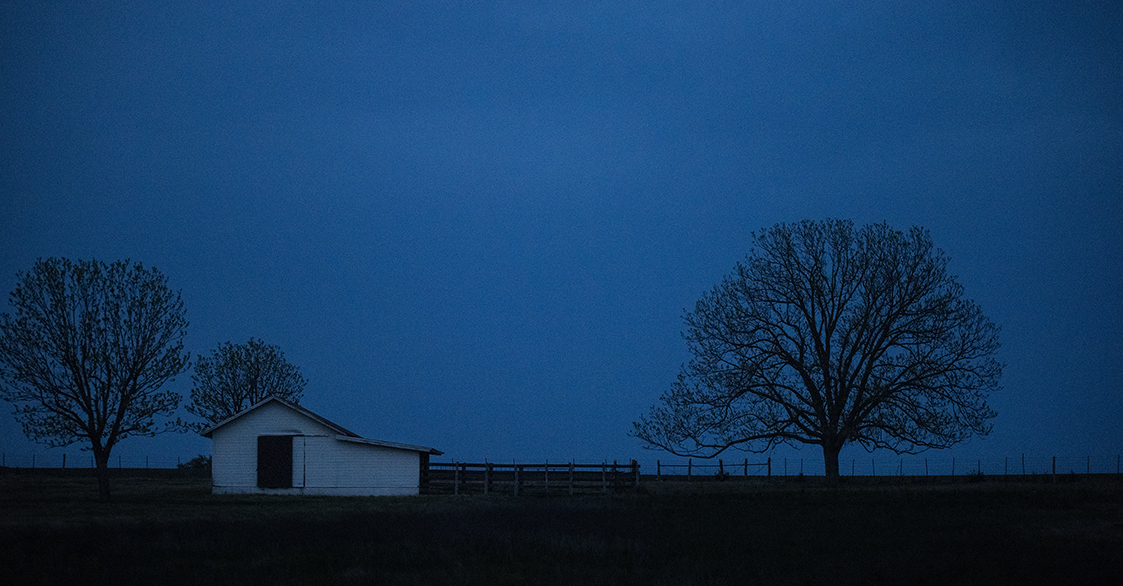
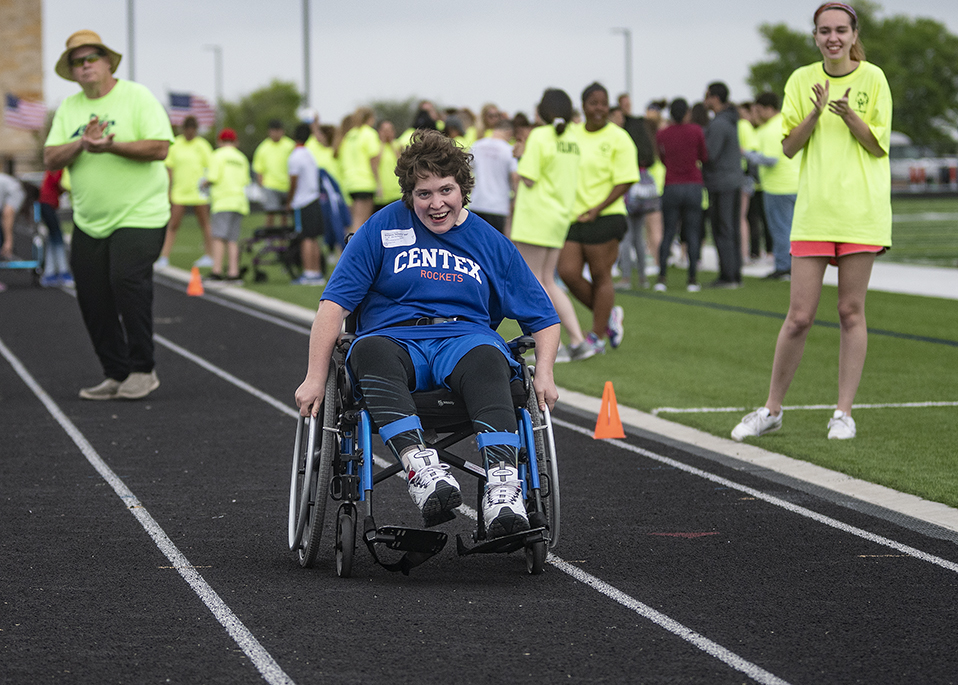
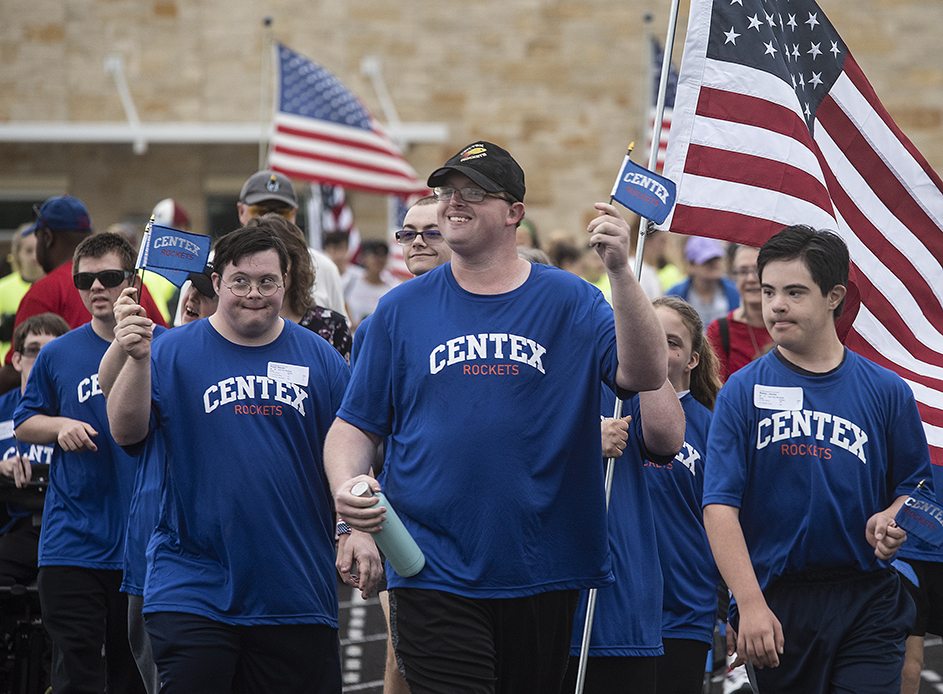
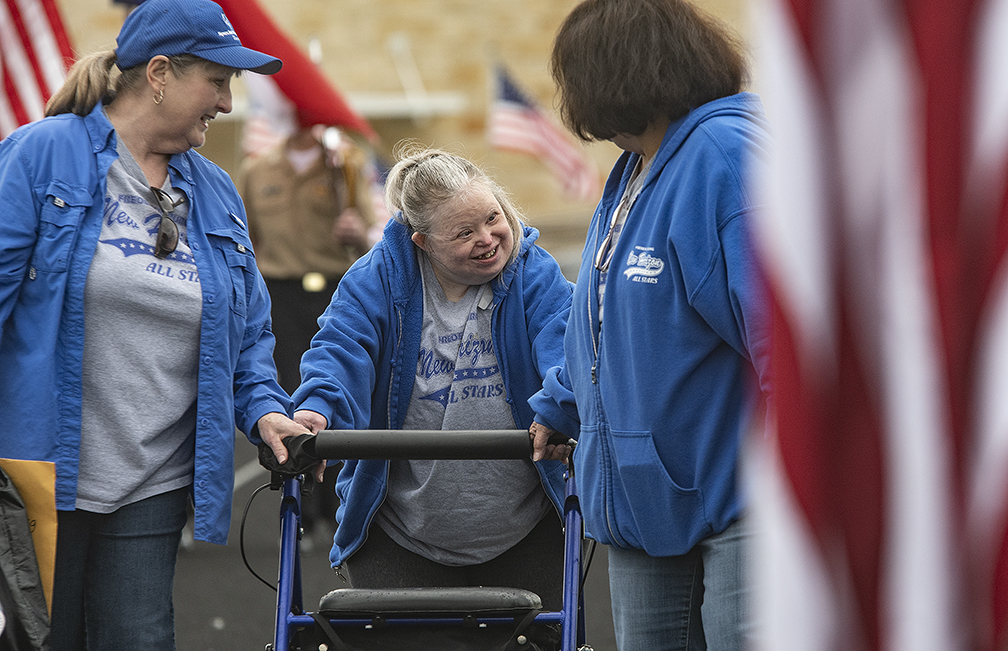
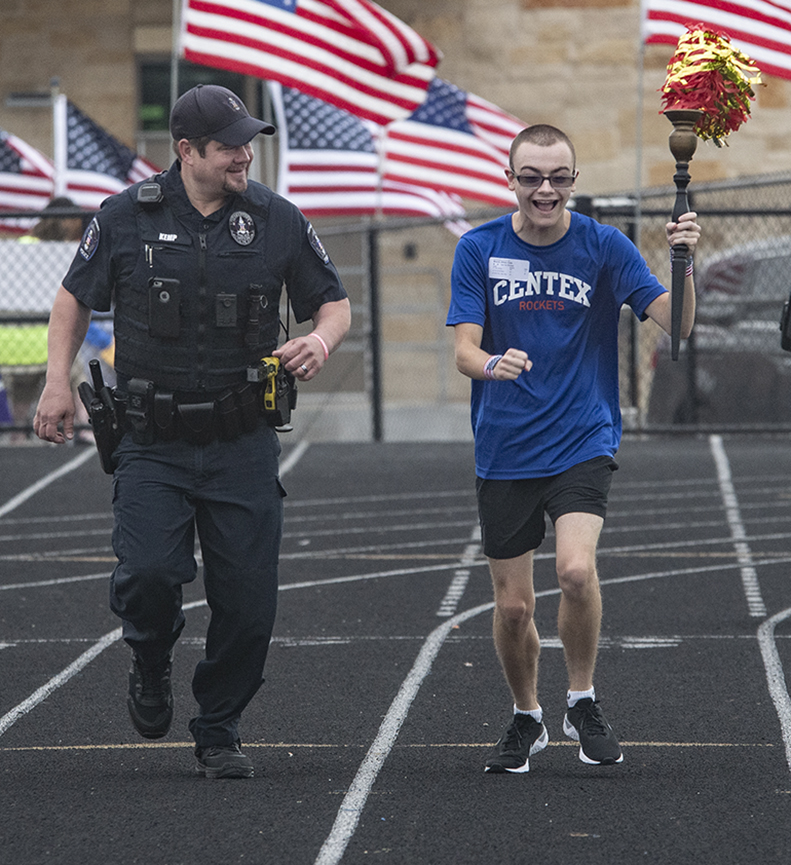
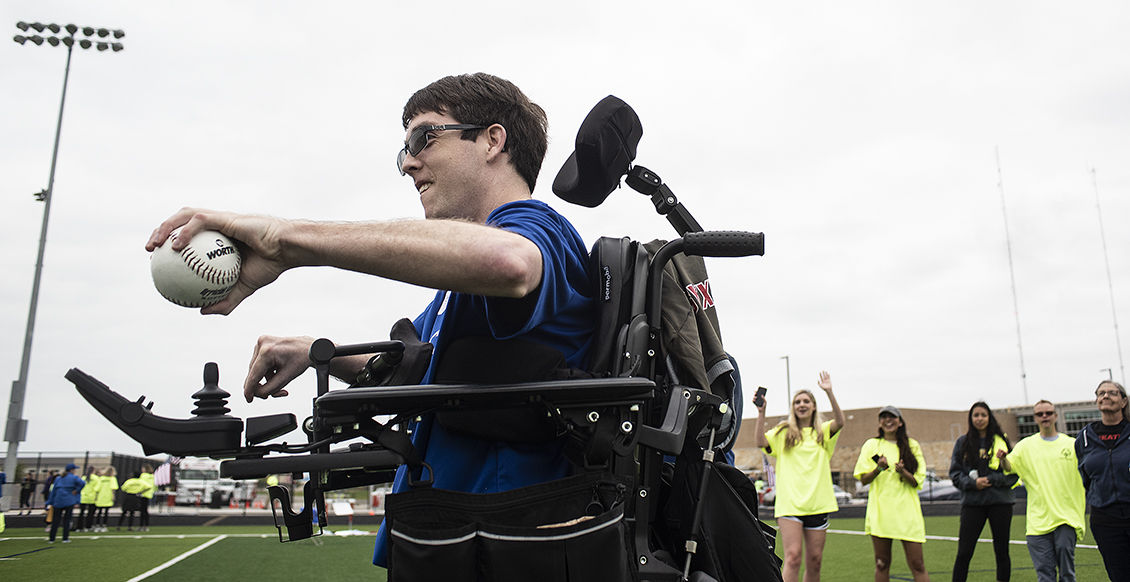
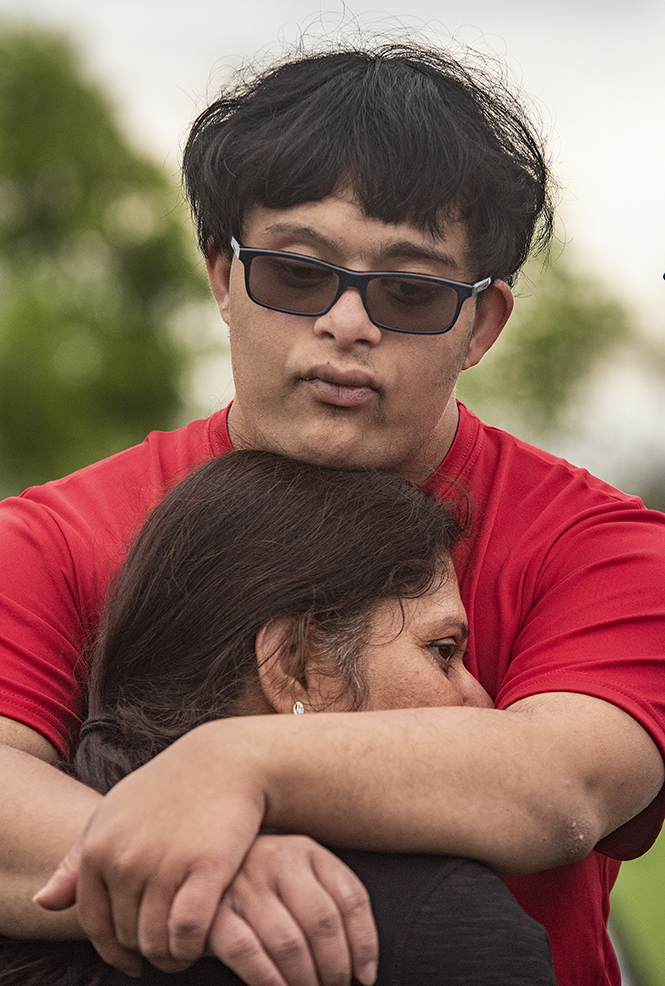
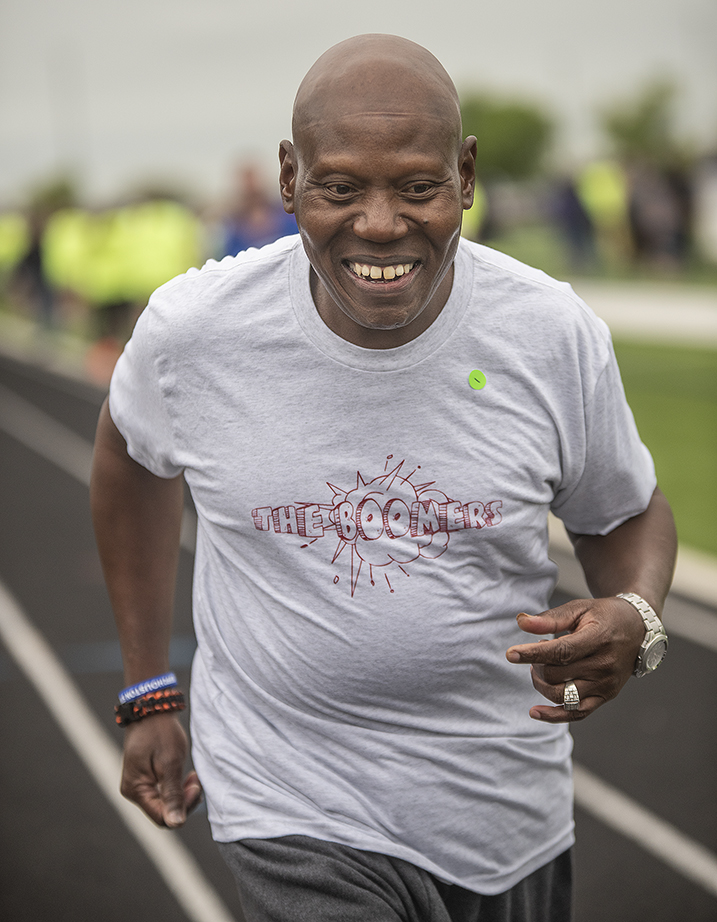
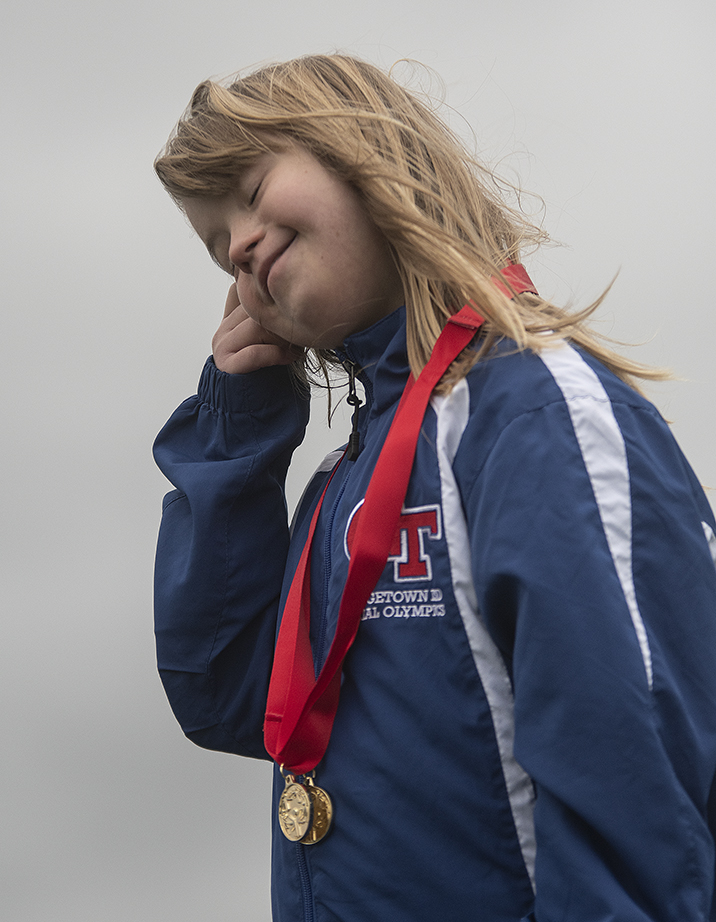
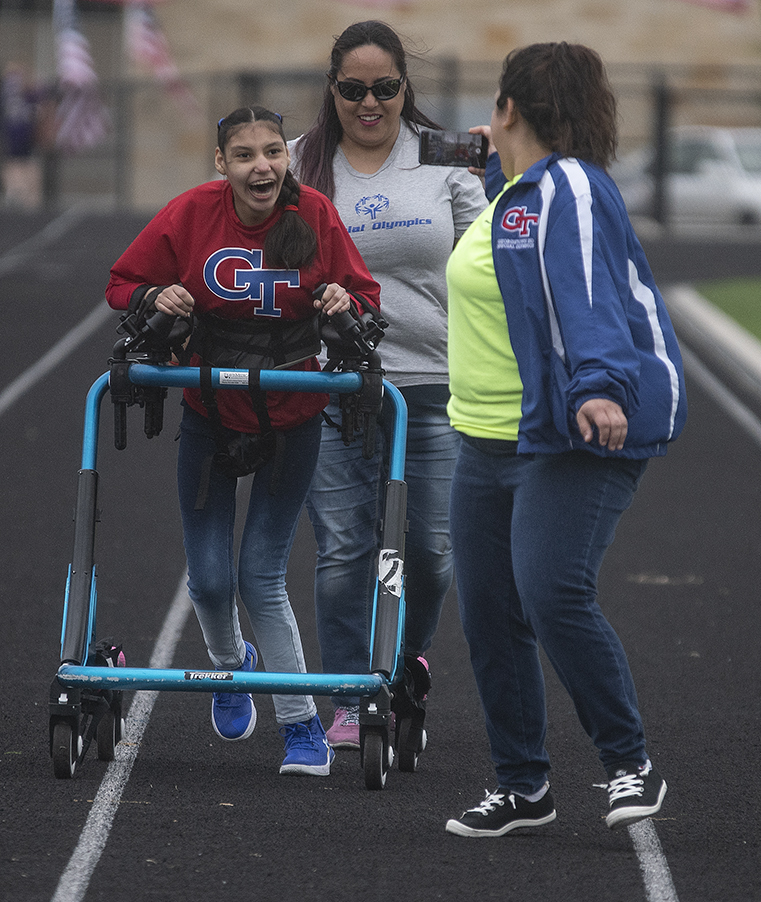
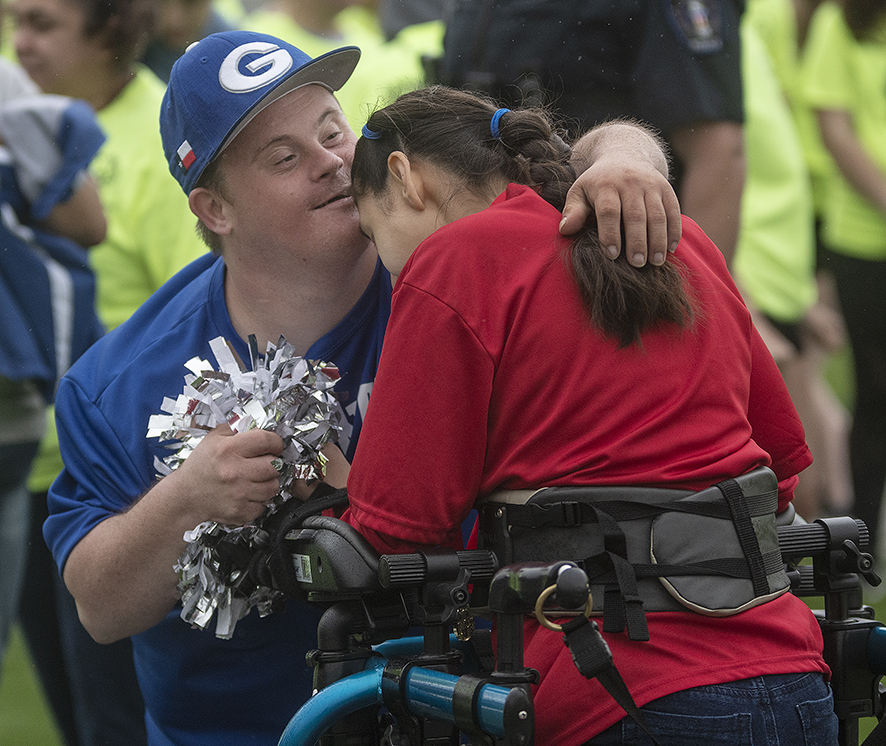
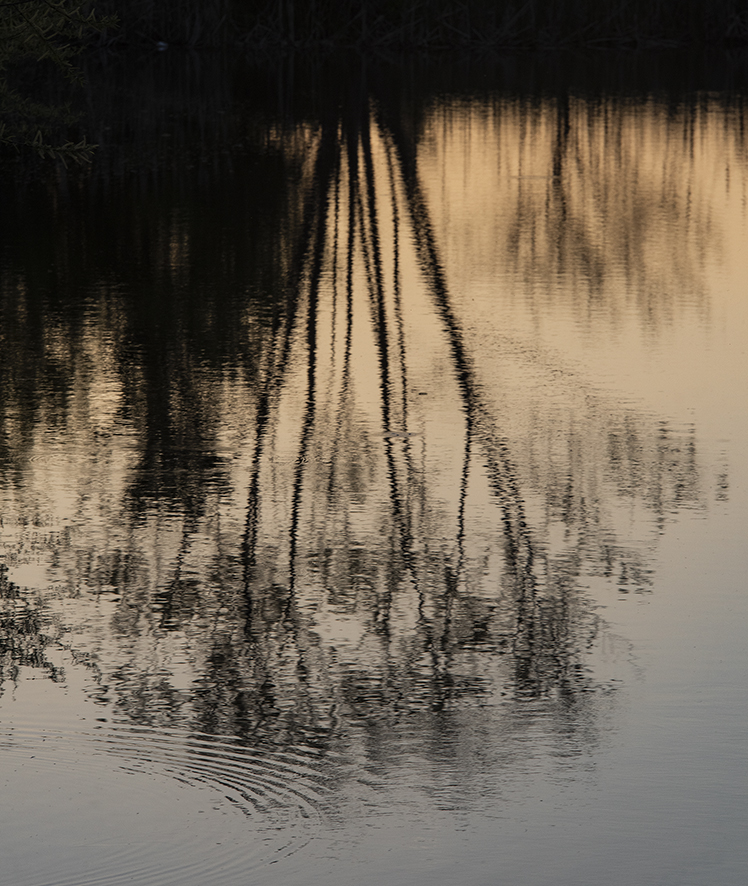
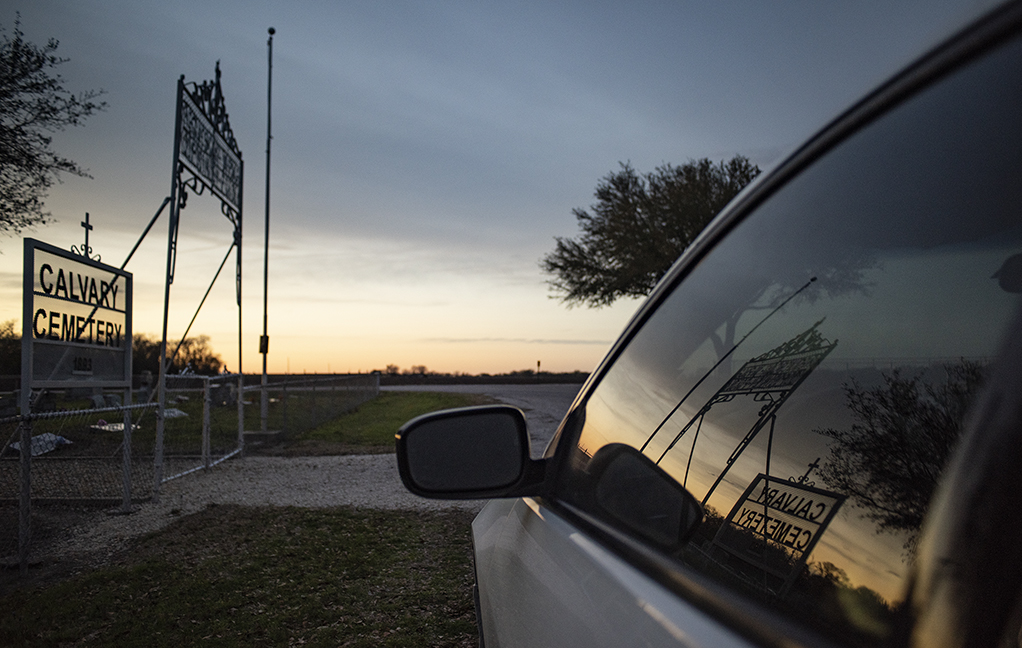
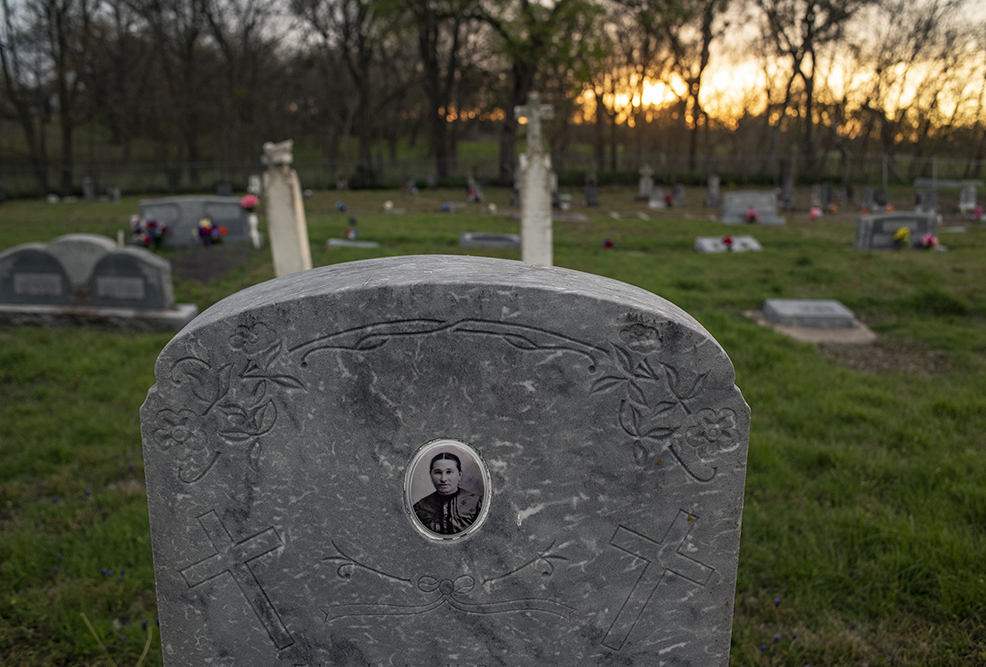
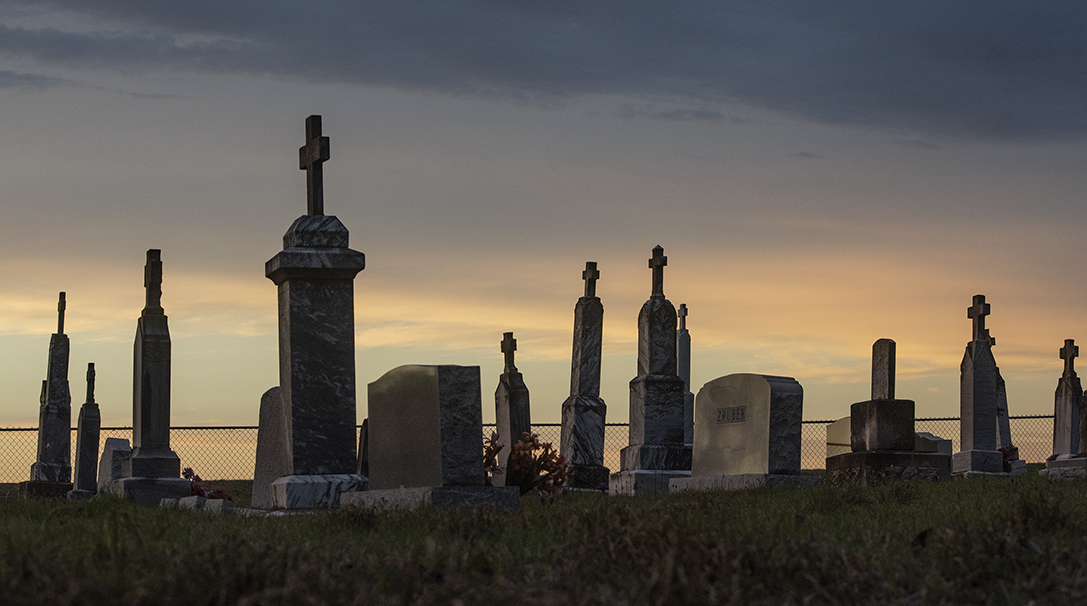
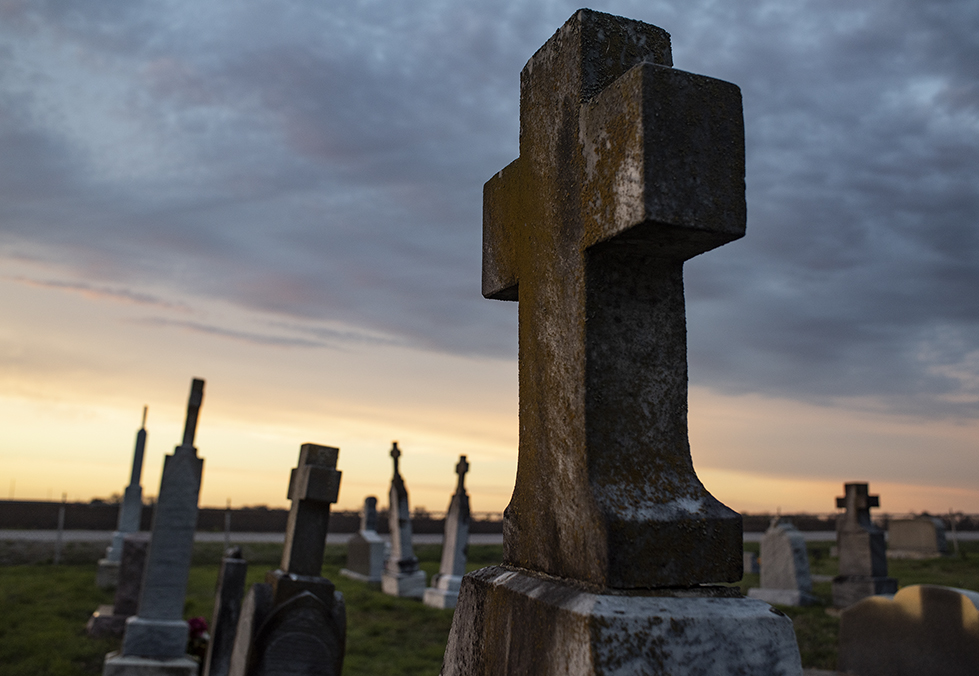
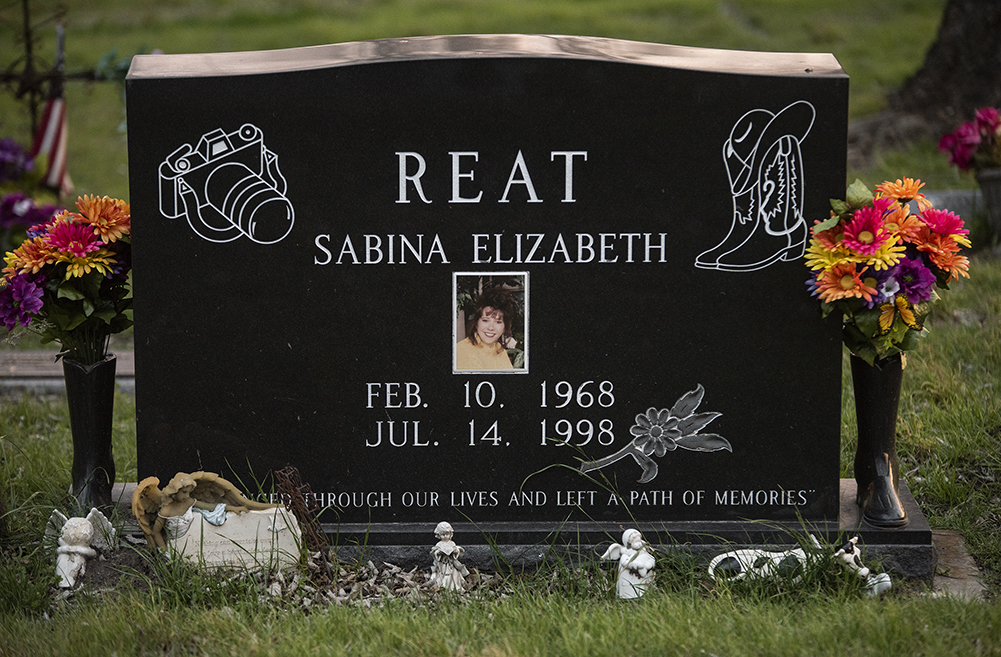
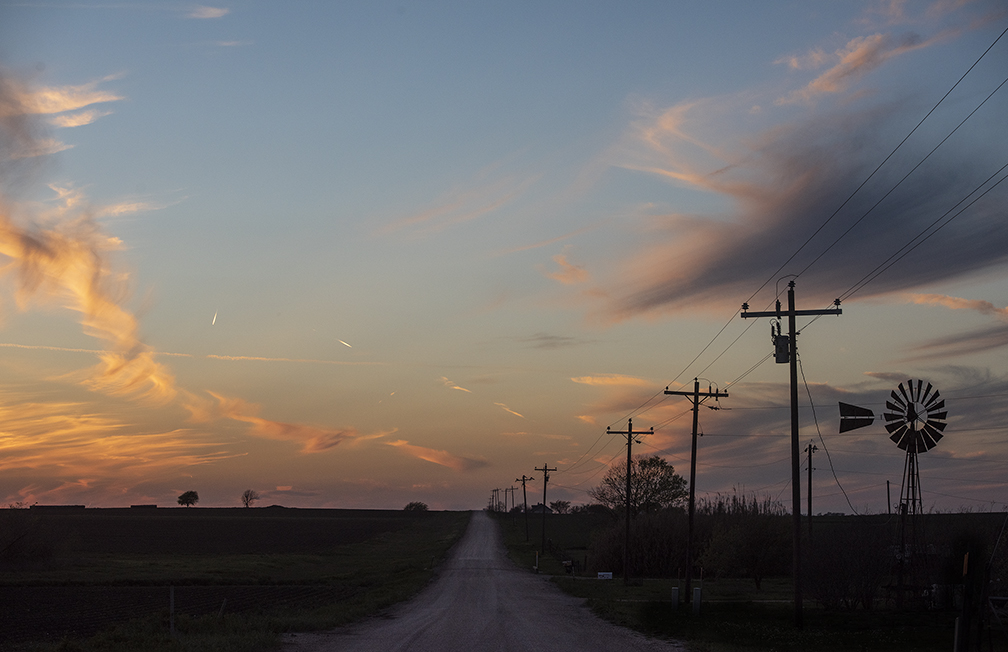
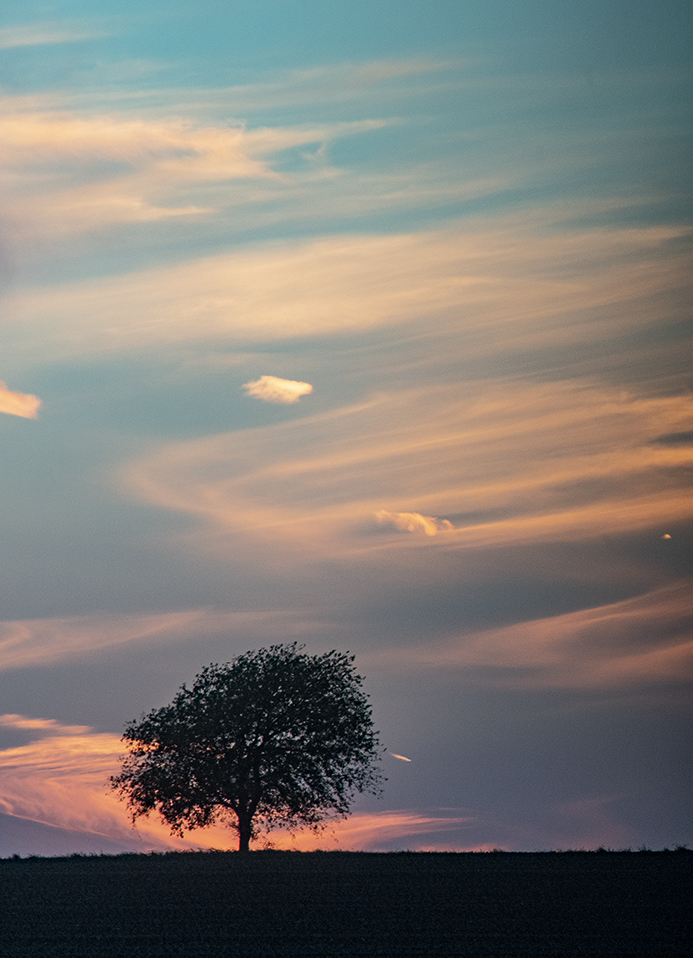
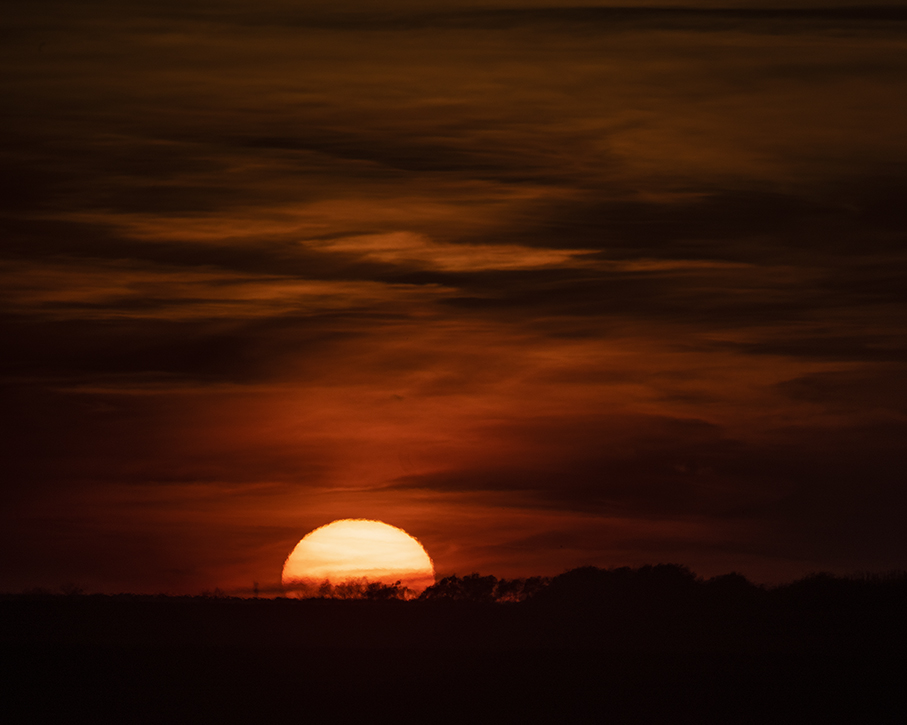
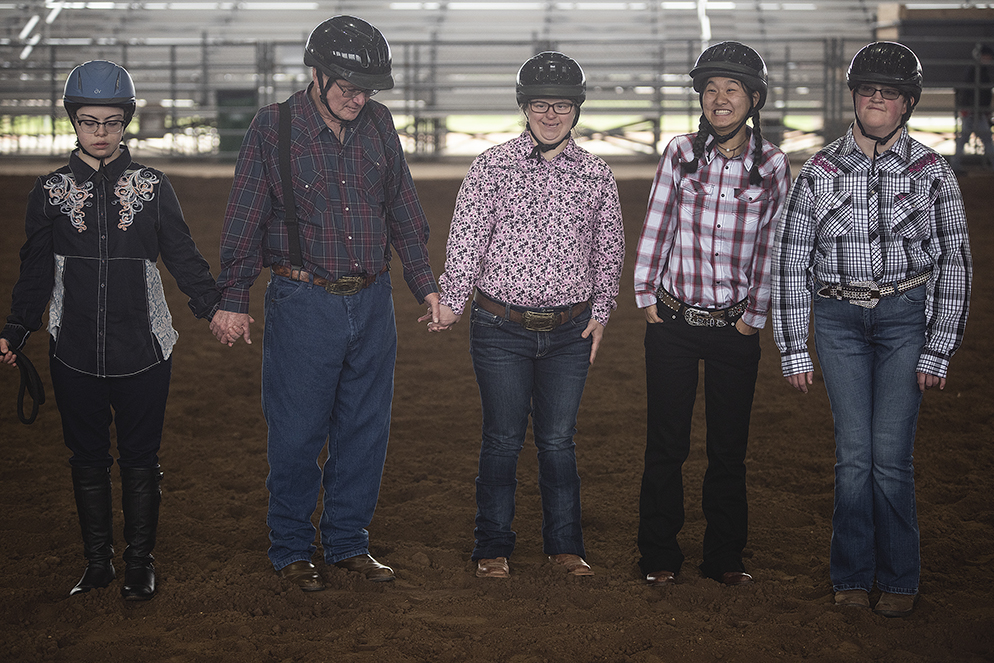
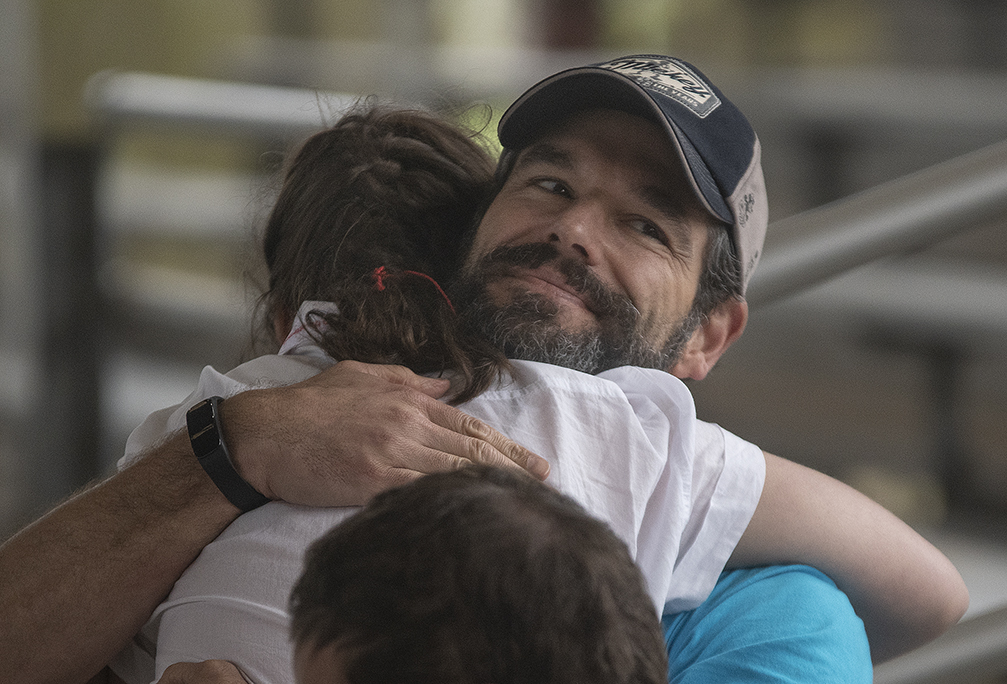
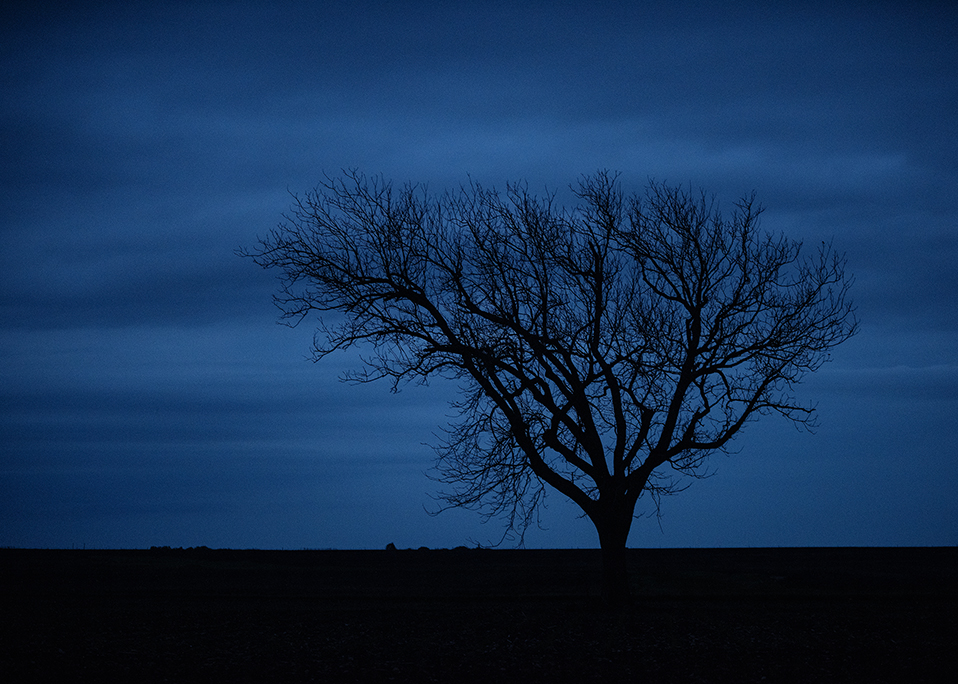
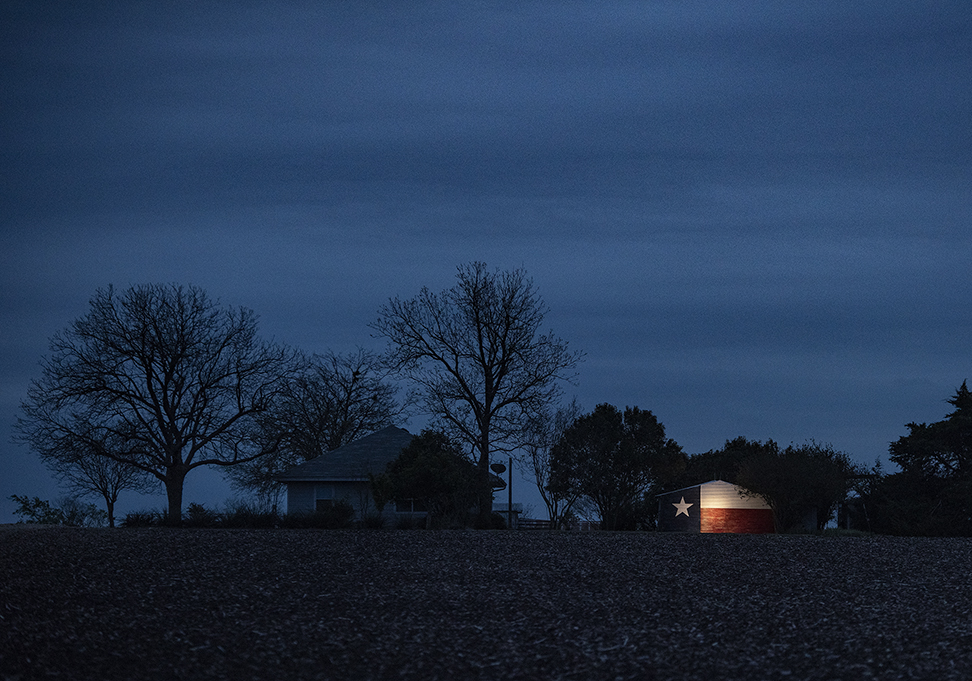
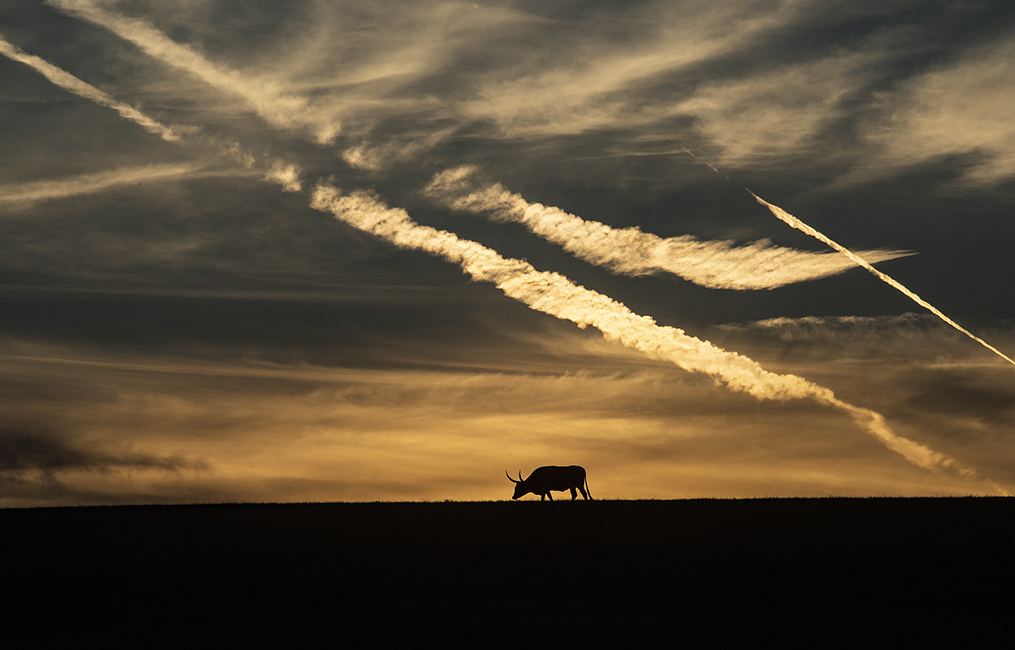
On a cool and drizzly night (note the last two photos) I made it over to Georgetown Thursday for the dress rehearsal of “Pump Boys and Dinettes,” the newest mainstage production at the Georgetown Palace. While all Springer Memorial Stage productions are musicals, this one’s particularly lively, a country music review directed by Lannie Hilboldt. Like all Palace offerings, these musicals book up fast. It plays weekends through February 24th. These photos were taken for my friends at the Williamson County Sun.
Although I didn’t grow up on a farm, many aspects of an agricultural life continue to intrigue my interest. Tangible examples of our country’s history can be found via the equipment used to till those fields. I’m thinking about tractors. Included here are some examples. The first eight photos are all John Deere Model B tractors, popular in the 1930s and early 40s for this Moline, Illinois-based company. Those eight are owned by a Bell County friend who plans to restore them once he retires. He’s a mechanic by trade so the task, while daunting, will come naturally for him. His are all John Deere models. The company was founded by John Deere in 1836, when he invented a plow that could till the hard midwest prairie soil with ease. The three images after those first eight were taken in Georgetown, at Miller’s Mechanical Mart, which recently closed after many years. Those accompanied a story in the Williamson County Sun. Among those three are two examples of Oliver tractors, a brand dating to 1853 as the Oliver Chilled Plow Works, founded by James Oliver. The Minnesota was part of a popular 20th Century company, Minnesota-Moline, based in Minneapolis. The last photo, a Farmall tractor engulfed in weedy growth, was made yesterday at the site of one of Bartlett’s now-closed cotton gins. Farmall was part of the International Harvester company. All this is probably too much information, but it’s an interesting subject to yours truly!
Only one image tonight, friends. I’m trying to slow the pace a little. But I did enjoy seeing this scene last evening on a county road east of Taylor, but not quite in Thrall. The evening sky was darkening, yet a bit of gold made its way into the picture. I thought it complemented the somewhat cool appearance of the barn and house. And the weather-worn windmill was okay, too.
I know what you’re thinking. You’ve seen this tree before, right? And not too long ago. But what the heck, it’s exceptional. Last evening, an errand took me to Bell County, Texas. There’s no way I was going to pass up an opportunity. Have a good evening, friends.
While I take quite a few photos considered to be pretty (thank you), one of my goals the past few years has been documenting bits of the Blackland Prairie’s history as it relates to East and North Williamson County, Texas, plus a smidgen of Travis County, Bell County and Milam County. Recently, friend Joyce White, a wonderful person in her mid-80s raised in the area, showed me something she found interesting. Surrounded by brush and trees in an area east of Walburg, Texas is what remains of a water cistern. At first glance it looked like a miniature grain elevator. Joyce explained what I was seeing. This raised water cistern resided next to a well. Also there, but no longer visible, was a windmill used to pump water from the well into the cistern. Collected water was then piped into a farmhouse in the field. The house is gone. As growth continues to take over our area these things are disappearing. In fact, the farm-to-market road where these photos were taken is being developed at a lightning pace. The evolution of an area continues. While I understand why, I don’t like it.
The Circleville ranch of Carol Fox and her brother, John is a place to relish. Every few months I ask Carol if it’s okay to pay another visit. Recently, she mentioned “seepage” in those beautiful fields. Recent wet weather has left some areas a bit difficult to navigate. With an extended forecast for rain, Friday looked like a good time to visit. I’m glad I did because we were thoroughly drenched on Saturday evening. Among the images you’ll find here are photos of the Burr Oak standing tall and strong, a little pond in a lower part of the ranch, and the San Gabriel River, which delicately courses its way through this Blackland Prairie paradise. Oh, and there are cattle, too. Of course there are.
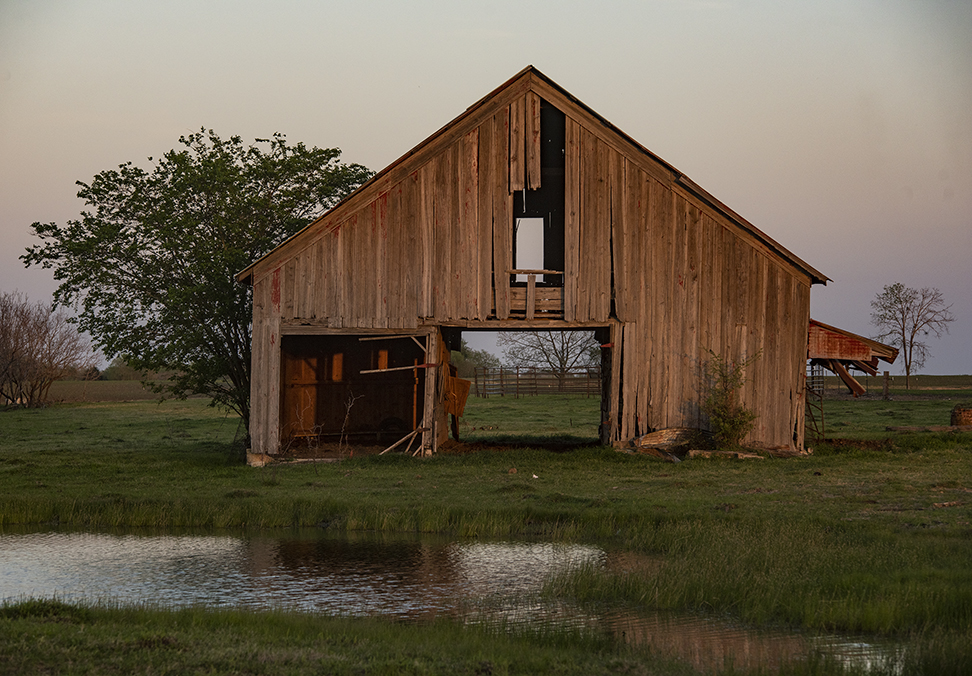
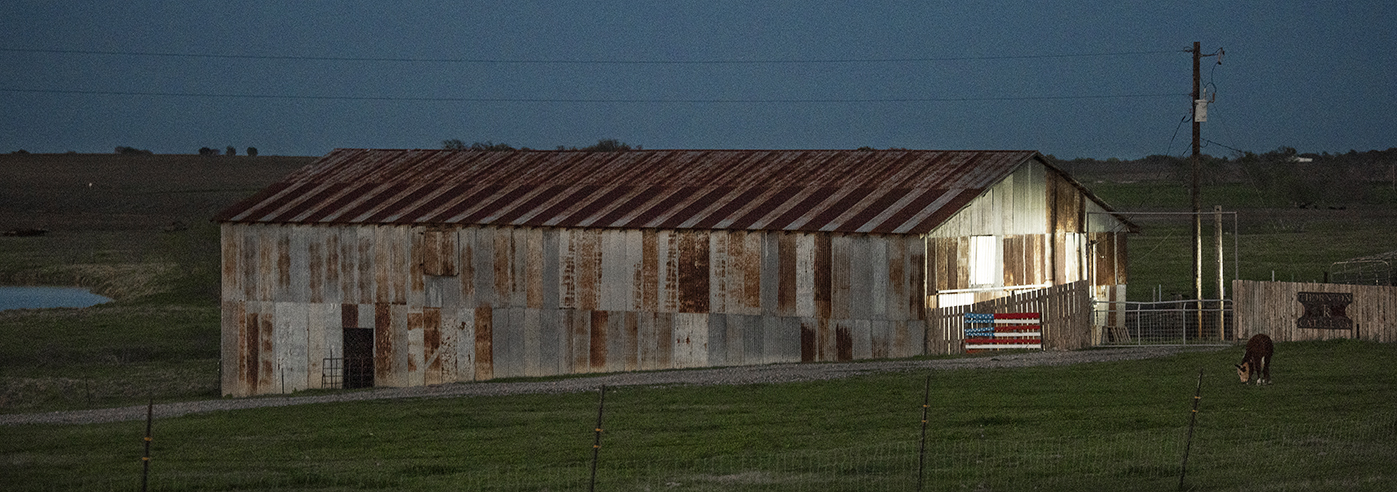
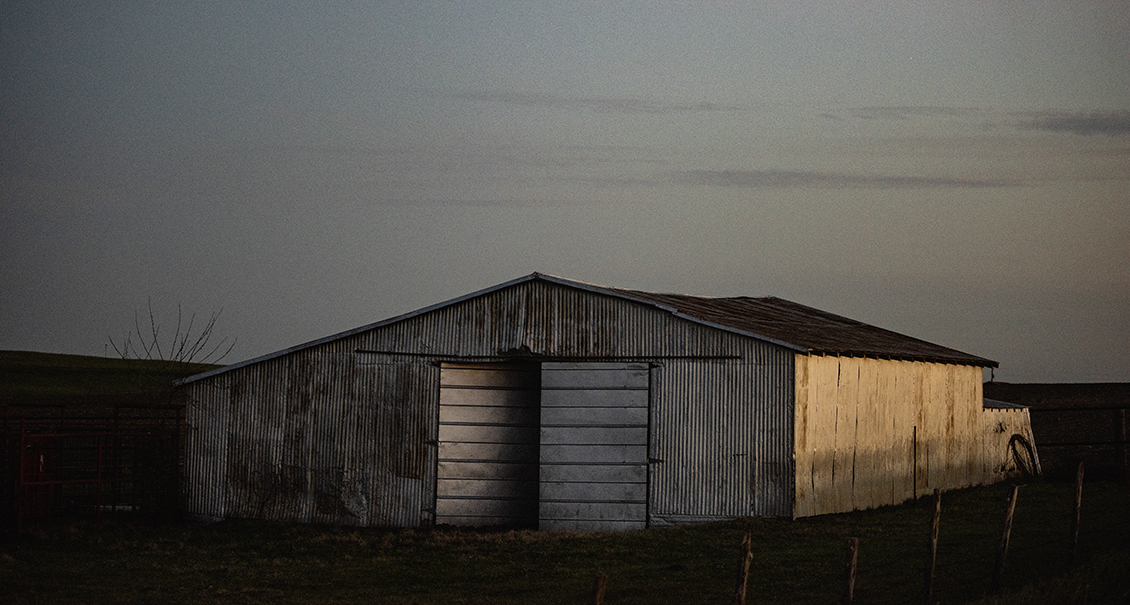
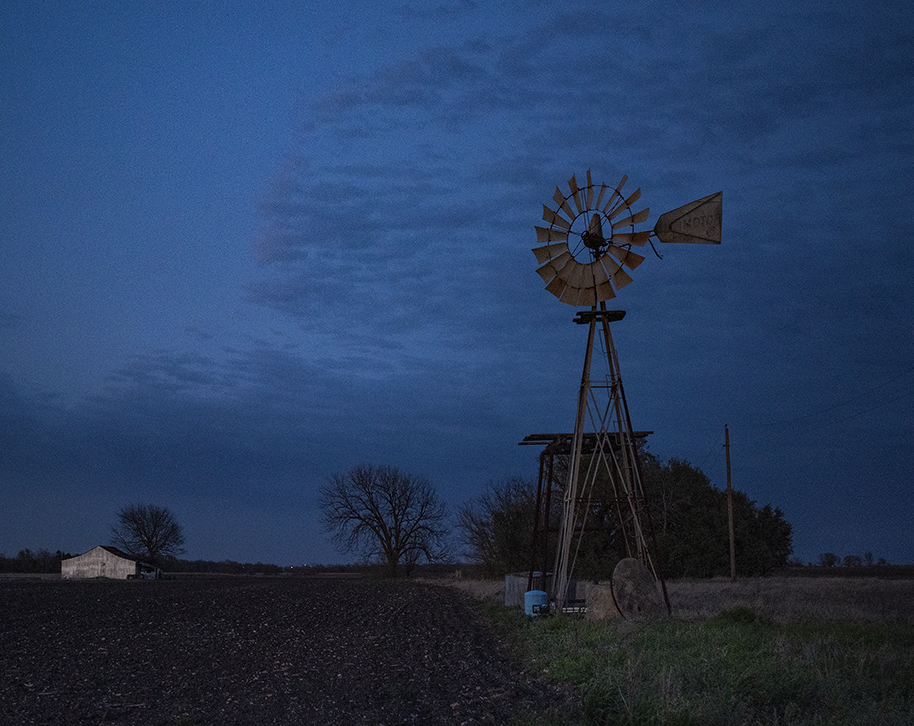
In case you haven’t figured it out by now, every post doesn’t have to have a theme. The photos presented this evening are simply ones I like. The opening image, taken Thursday evening, was the result of one shutter click, one frame. Some of our country roads don’t lend themselves to long interludes. With this one, however, one worked okay. The light, sliding across the facade of that metal barn was just about as good as I could ask for. The second and third photos were both made today. While at an event, a musician was accompanied by his two canine helpers, one specific to PTSD (Post-traumatic stress syndrome), the other simply a therapy dog. They’re both males. On the left is Beau. At right is Nugget. While dad sang and played his guitar, Beau and Nugget got very comfortable on his guitar case. There are few dogs (or cats) I don’t like. We have a rescued pit bull, Star. She’s wonderful. It’s easy to see why they’d be good helpers. The final image was made this afternoon, as the storm clouds gathered. As this is written, the clouds let loose. It’s raining now. Things I like tonight, nothing more.
Grain elevators, our Blackland Prairie skyscrapers, are structures that embrace light so well. I photograph them quite a lot. I like them quite a lot. For the most part, the images are made quickly as I pass them on one of our county roads. These, however, belong to the Boehm family in Norman’s Crossing, Texas. They allow me to observe them at my leisure, which I did this week when the light was particularly nice. I debated whether or not to toss in a photo of myself, but it’s there. I don’t cotton to high places. When I ascend those steps, it seems right to record the moments.
If you’ve kept up with these posts, either here or social media, you likely know about my increasing desire for actual printed photos. Think about it. We live in an age where people are snapping away on their digital cameras and smartphones, but where do these files exist? Most, I’m guessing, are on your hard drives, not in albums or on walls. When the Atlanta Journal & Constitution made me a guinea pig for some of the first mass-produced digital cameras in the mid-90s, I balked. And balked more when I saw the results (terrible). Since then, however, technology has progressed quickly. Digital cameras, smartphones included, can do incredible things now. A few years ago, I began to realize that most of my images were living lives as files on numerous external hard drives. There was nothing tactile. Now, although it’s costing me more than I care to spend, I’m starting to print again with the help of a pretty good photo printer. I’ll never make up for lost time, but it’s important to try. The images posted here are relevant. The first is an old leather box containing bits of my family’s history. A number of the photos, though family members on my father’s side, are unknown to me. Still, I have them. I just love the family portrait, which looks, judging by the clothing, to have been made in the late 1800s or early 1900s. Occasionally, I dig these, and other boxes, out of a closet and just look. And hold. And smell. The other photo, which hangs on the wall of my home office, is a photo taken of American Indian activist Russell Means in 1986. Writer Ron Martz and I spent copious amounts of time in the 80s working on stories related the Native Americans. Means, a Lakota Sioux, was a prominent figure. We only had a general idea where we’d find him. In the 80s, you’ll recall, we couldn’t email someone or give them a ring on our mobile devices. Writer Ron Martz and I finally found Means at Devil’s Tower, Wyoming, where he was getting ready to take part in a Sun Dance. Although photos weren’t allowed of the actual dance, Mr. Means allowed us to stay and interview him for a profile. This candid photo is one I liked, and still do. It’s why it’s on my wall. I’ve missed holding prints in my hands. I’ve missed the history. It’s important for all of us.
Since New Years Day I’ve made three visits to the ranch of my friend Joyce White. It’s been fun to observe Princess, her beautiful Texas Longhorn, and Joyce’s donkeys. That first day of the year was cloudy and cold. After the donkeys roamed the field together, they huddled, with Princess stepping in front to create an interesting group portrait. The other visits were, as usual, late in the day. The weather was winterish, but clear and crisp. The final six photos are the most recent, a day when two of the young donkeys, both males, had moved on to a new home. It’s hard to say, of course, but I sensed the donkeys, and Princess, felt their absence.