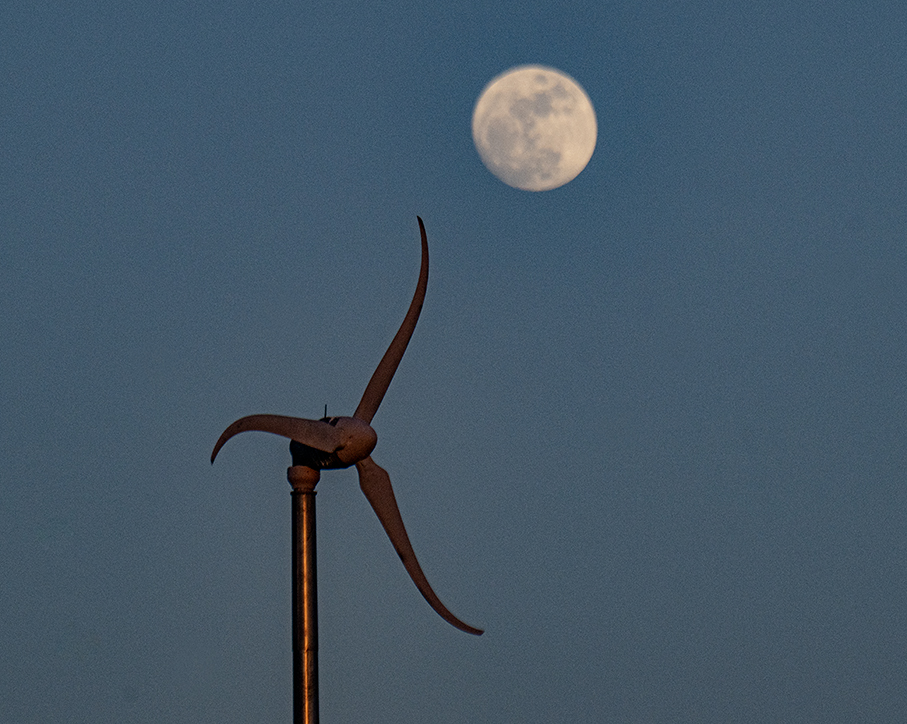
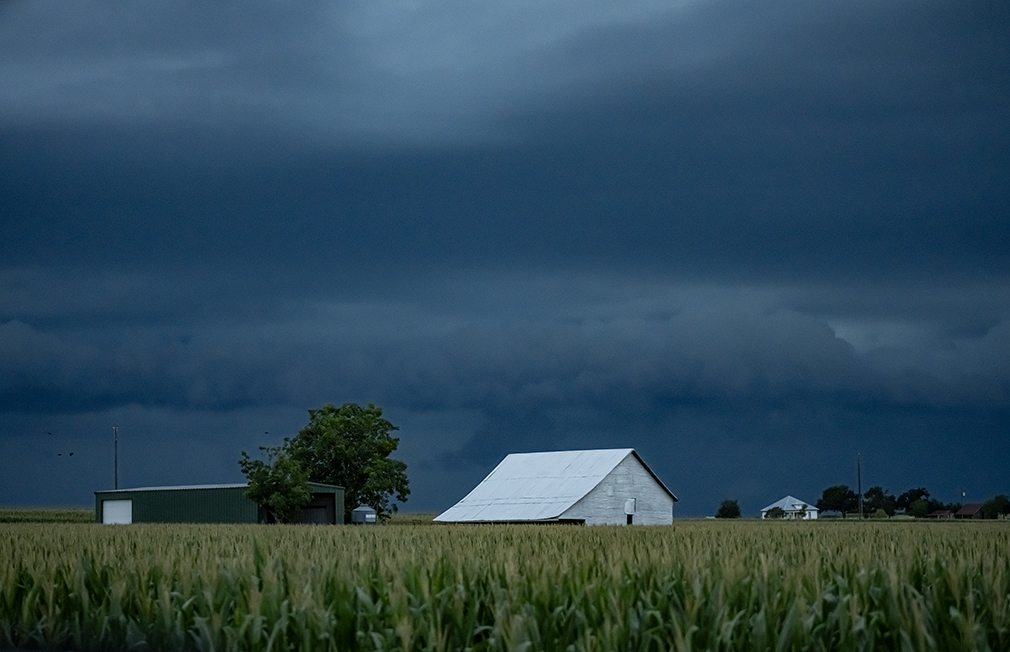
Although the Saturday focus was on chasing a Full Moon photograph, who can pass up a good Texas sky? And of course, a windmill. The prairie skies were impeccable. 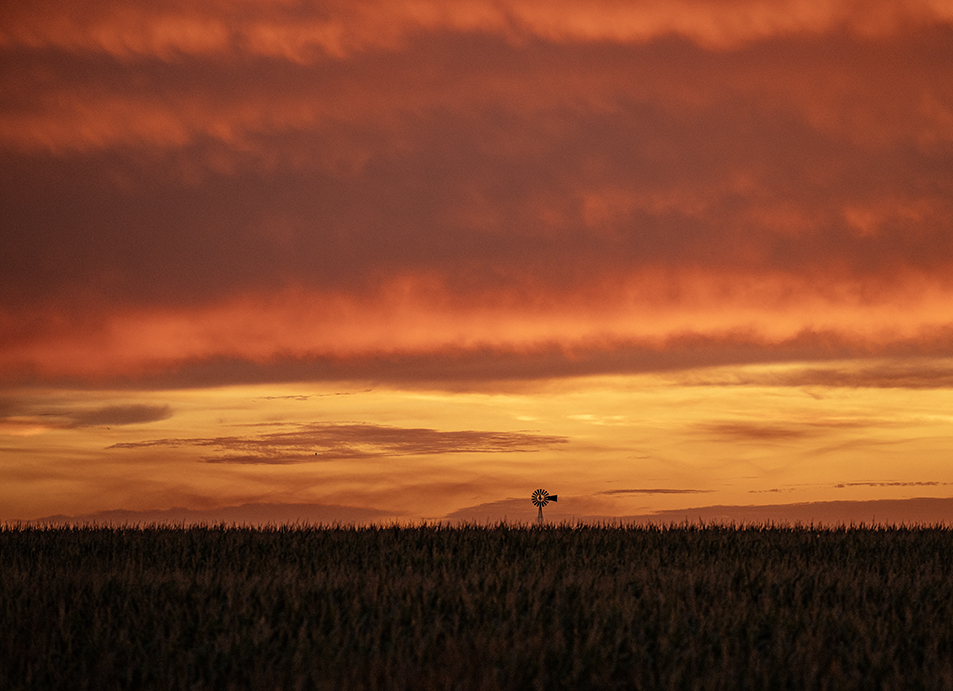
Also From Saturday Evening
Leave a reply
Although the Saturday focus was on chasing a Full Moon photograph, who can pass up a good Texas sky? And of course, a windmill. The prairie skies were impeccable.
With a cloud cover throughout the day, tonight’s Full Moon wasn’t expected to be seen in our area. Thankfully, a snippet of the moon appeared through the clouds It didn’t last long. But enough. 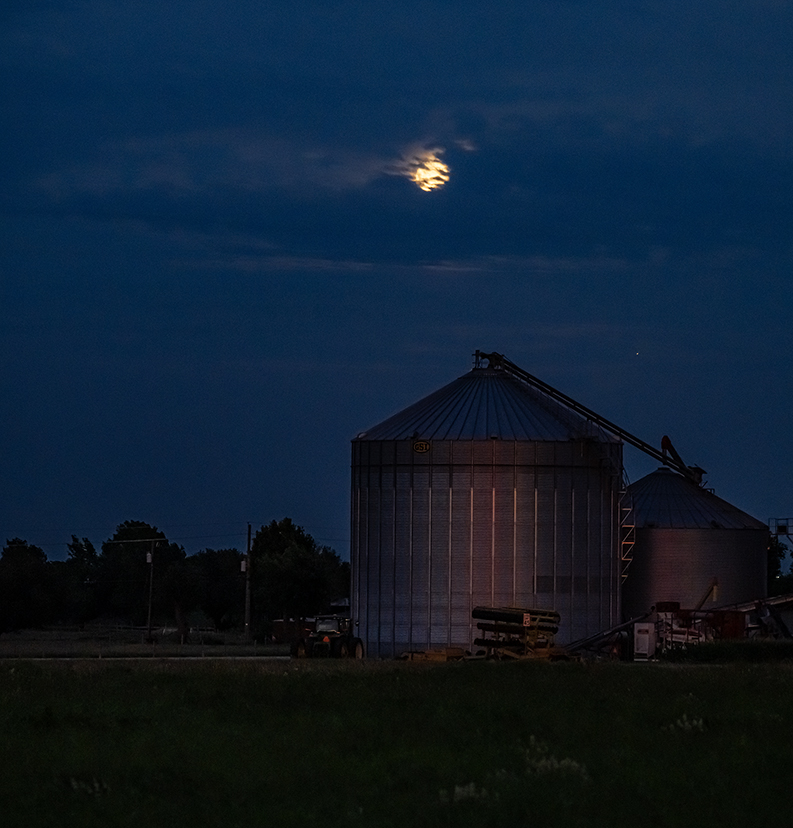
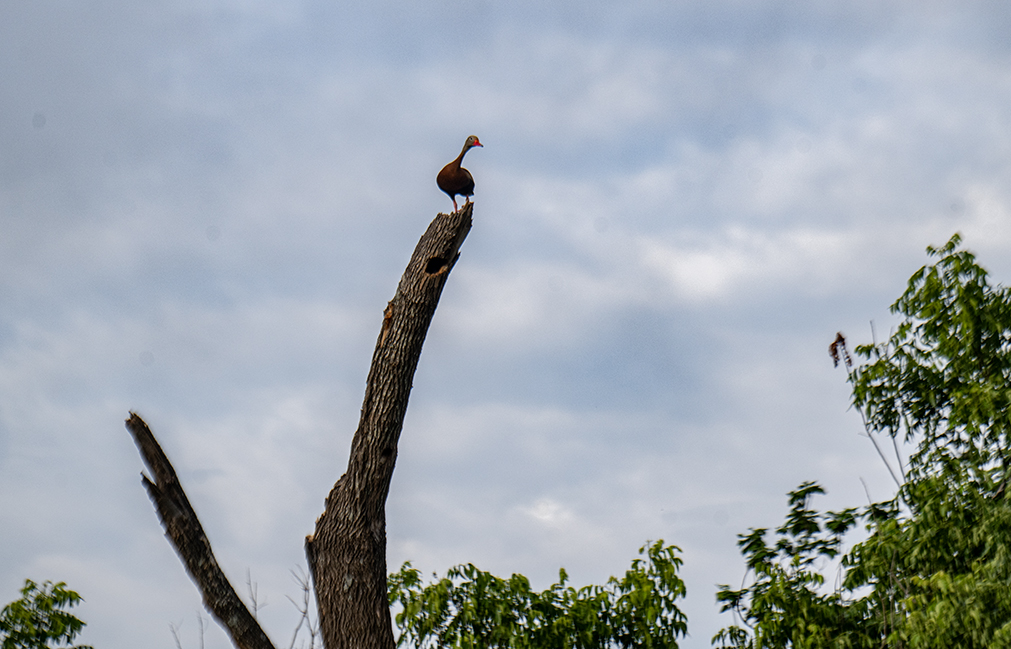
Seen early this morning not far from home. This Whistling Duck seemed to contemplate the best way to go. She figured things out in about twenty seconds. Fleeting moments. 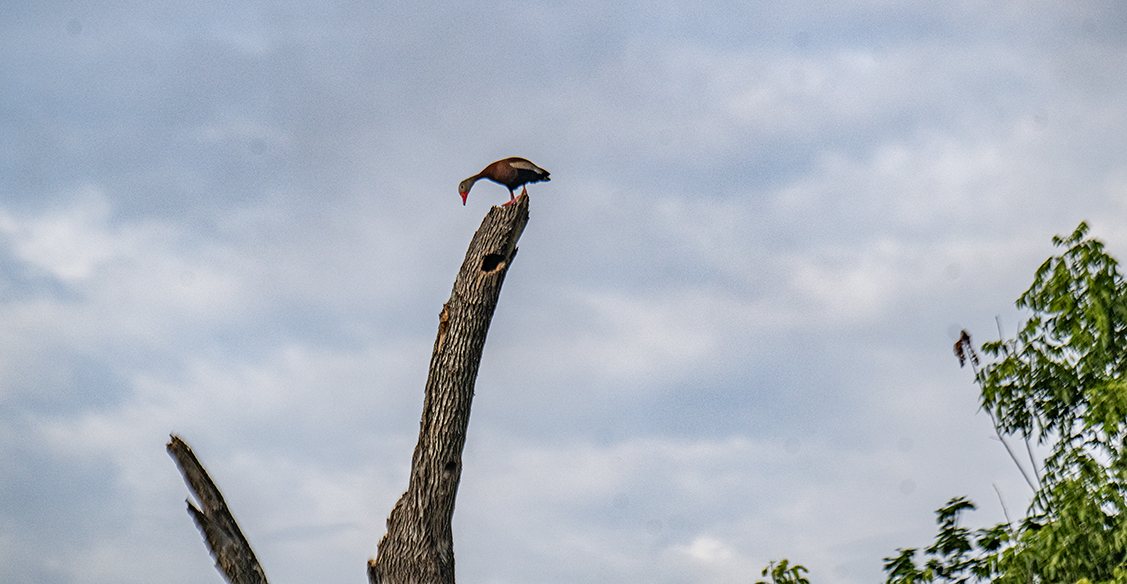

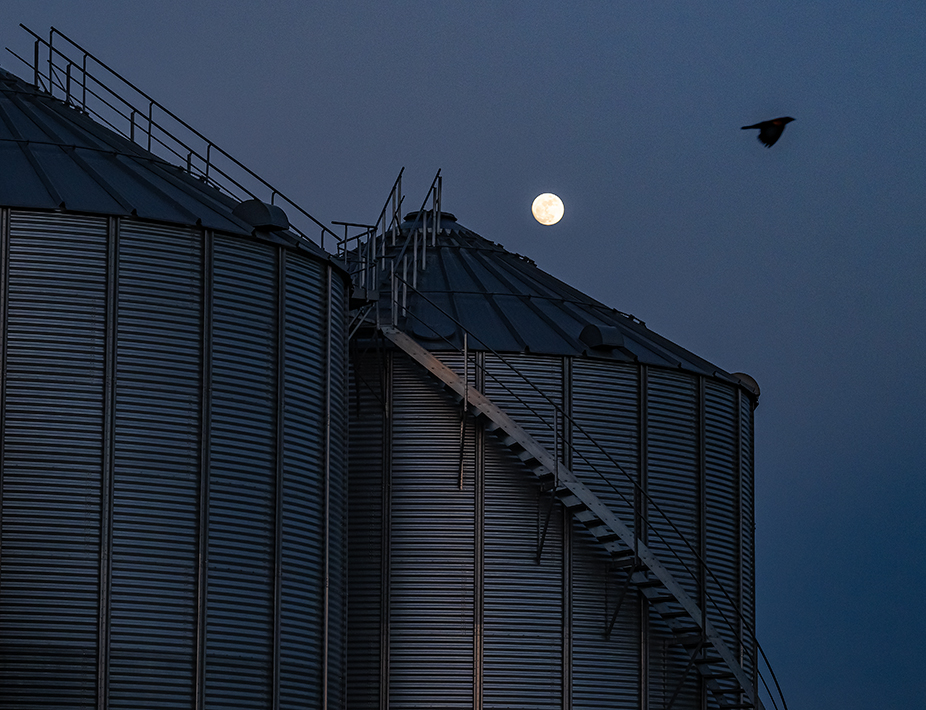
Photographs from this evening, wandering around areas in Southeast Williamson County, including Beyersville and Noack. The Waxing Gibbous moon was at 98.4% visibility, doggone close to full. Since rain chances increase late Saturday, it seemed like a good time to document what’s there right now. 
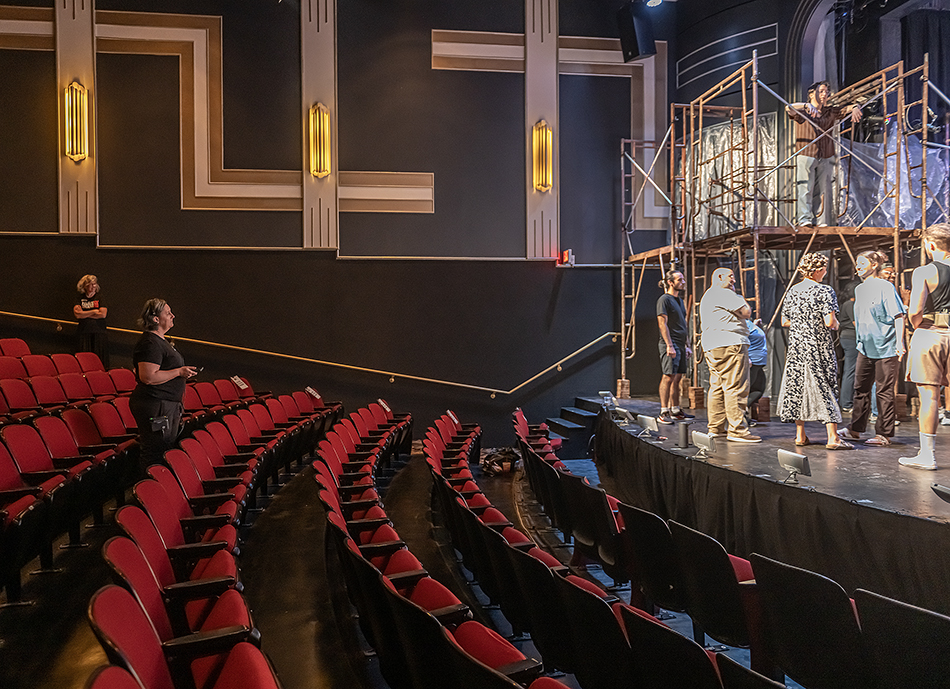
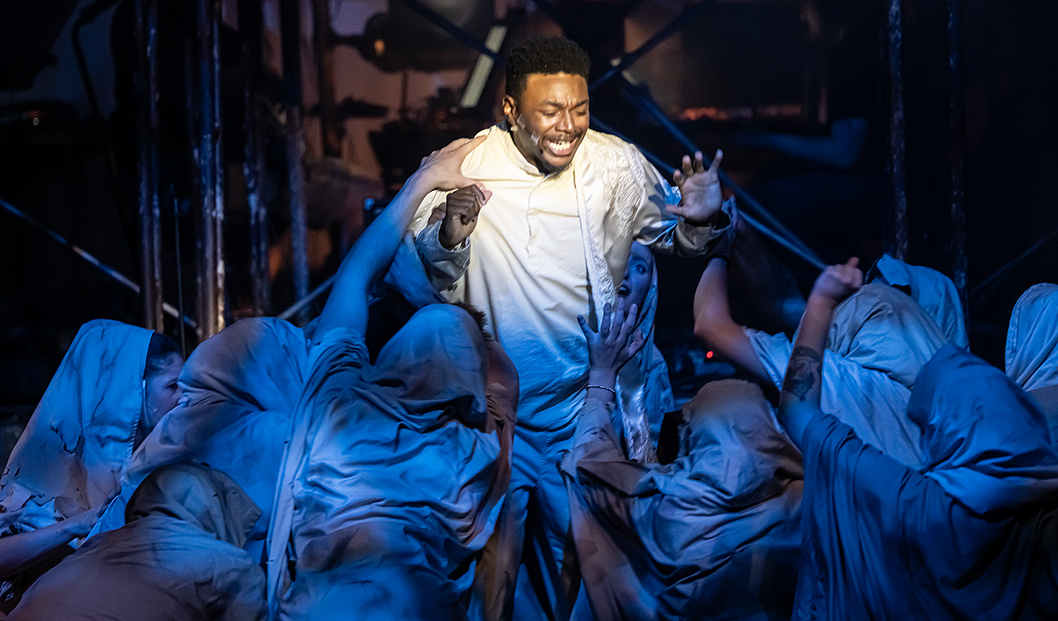
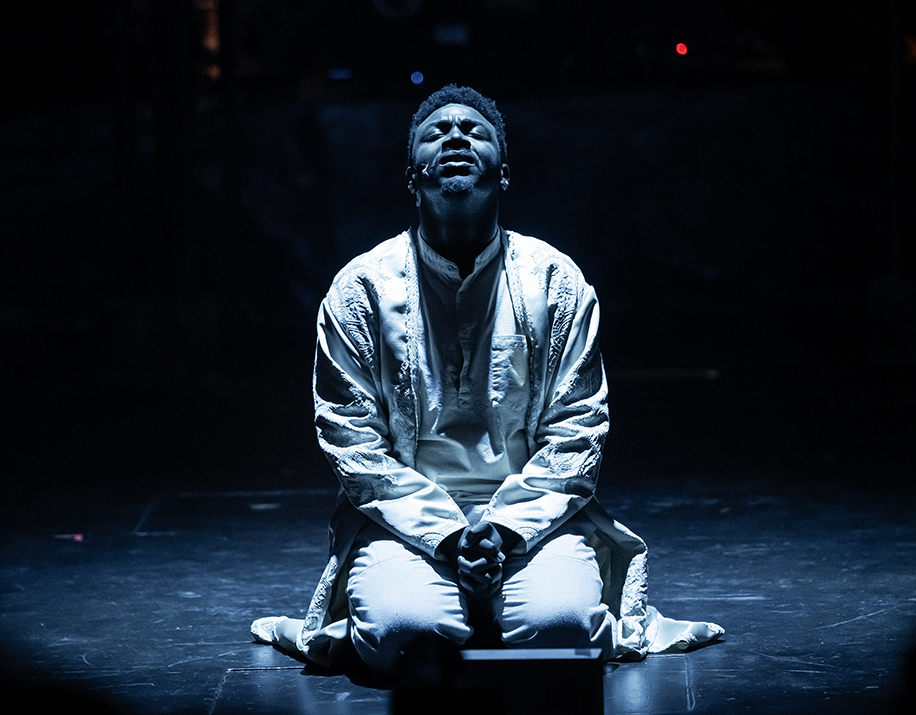
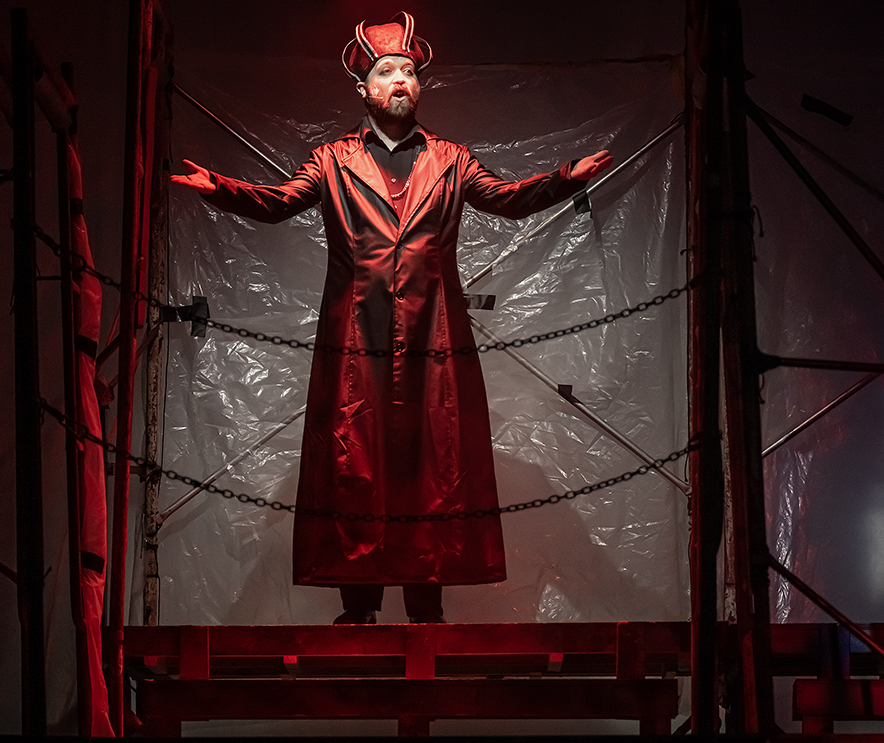
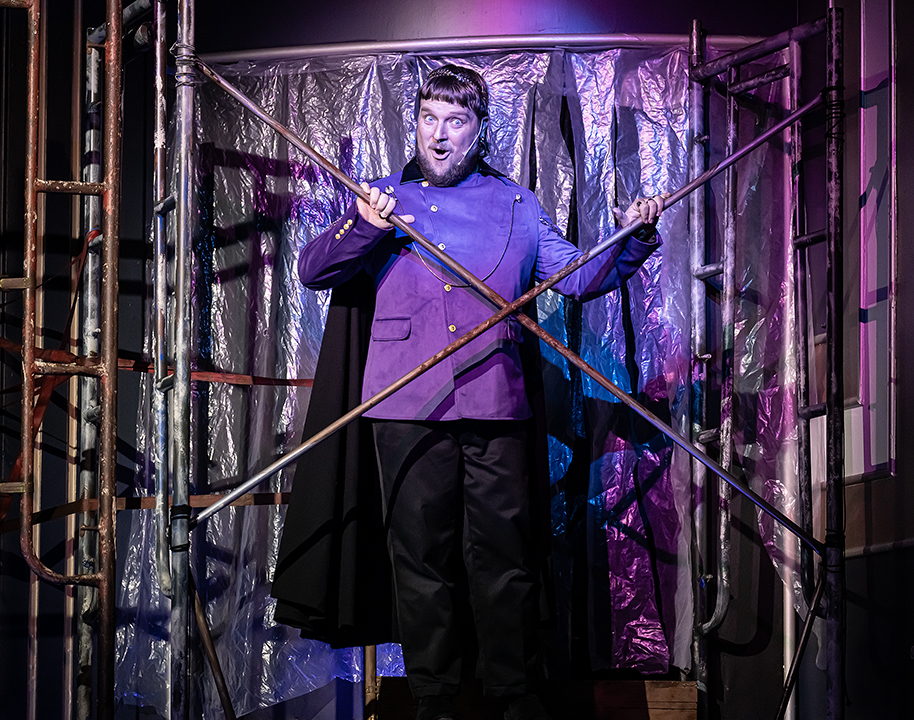
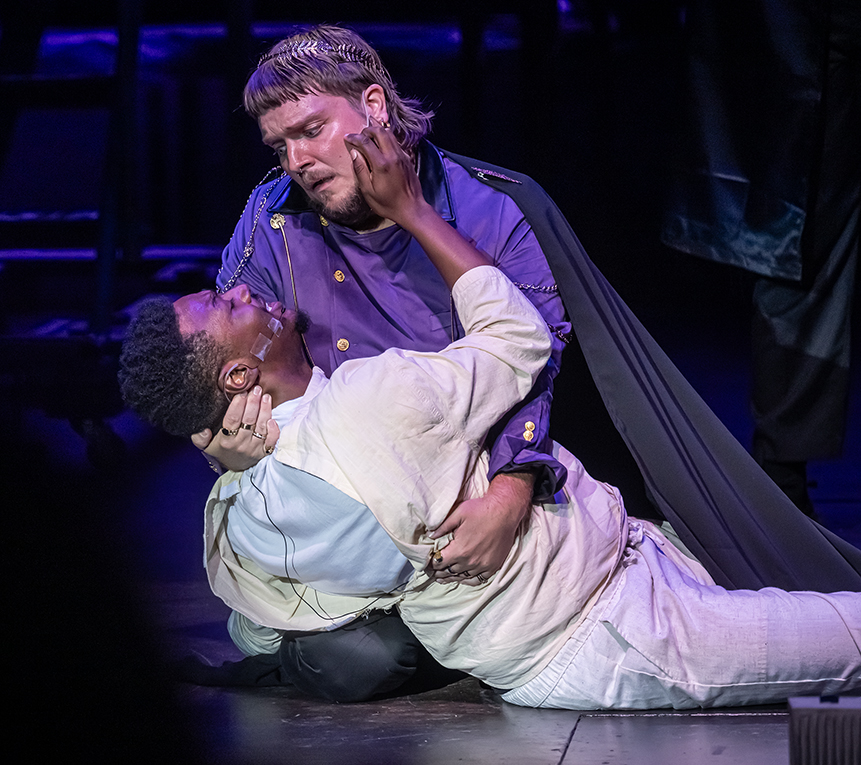
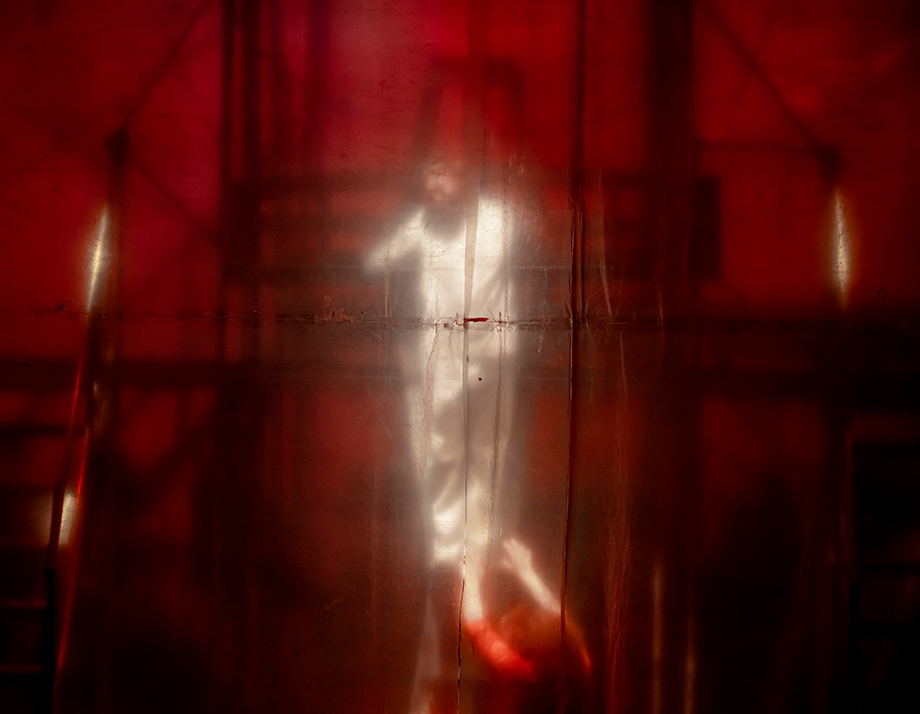
You haven’t seen posts theater posts for while. In late-January the main auditorium at the Georgetown Palace suffered major flooding damage. Theater work came to a standstill while restoration became the goal. You might recall a photo showing the executive director standing in the empty theater, the seats removed. Last night, however, the Palace returned to life as the cast of “Jesus Christ Superstar” took their places on the Springer Stage. This post opens with an exterior, plus one of their superb lighting wizards standing in the seating area, giving guidance before the rehearsal. The young fellow in the title role was constantly onstage. Photos of him rightfully dominate. The crucifixion, at the end, is purposely taken through a curtain, a subtle and quiet treatment of this scene. The play opens tonight, continuing through July 5th. Kudos to the Palace!










Just some photographs of barns around our area. These have been sitting on the computer’s desktop for a while. Barns are disappearing in our area. The merit our attention while still here. 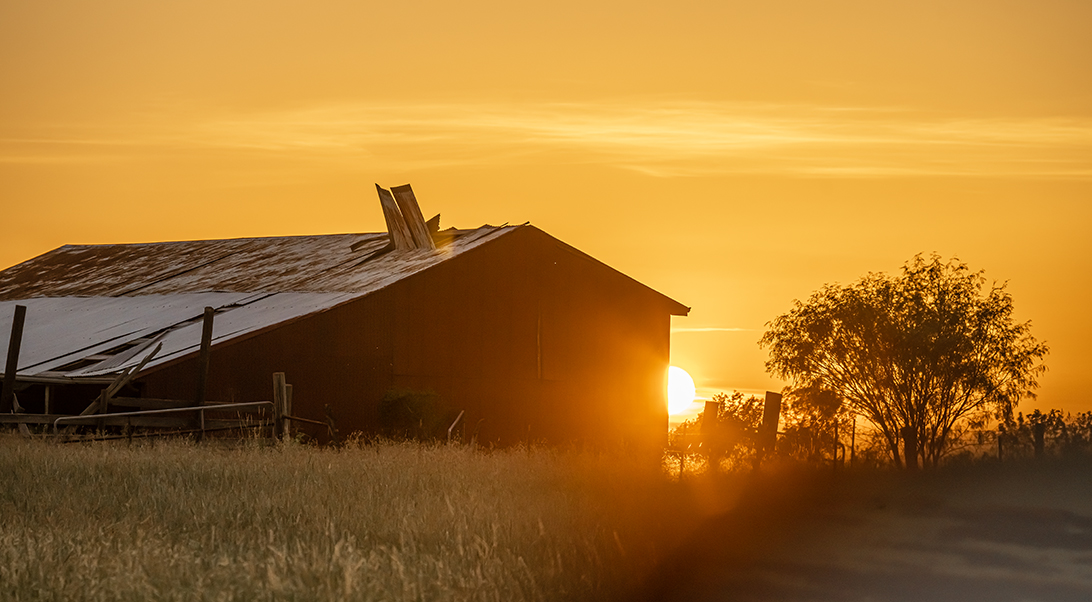
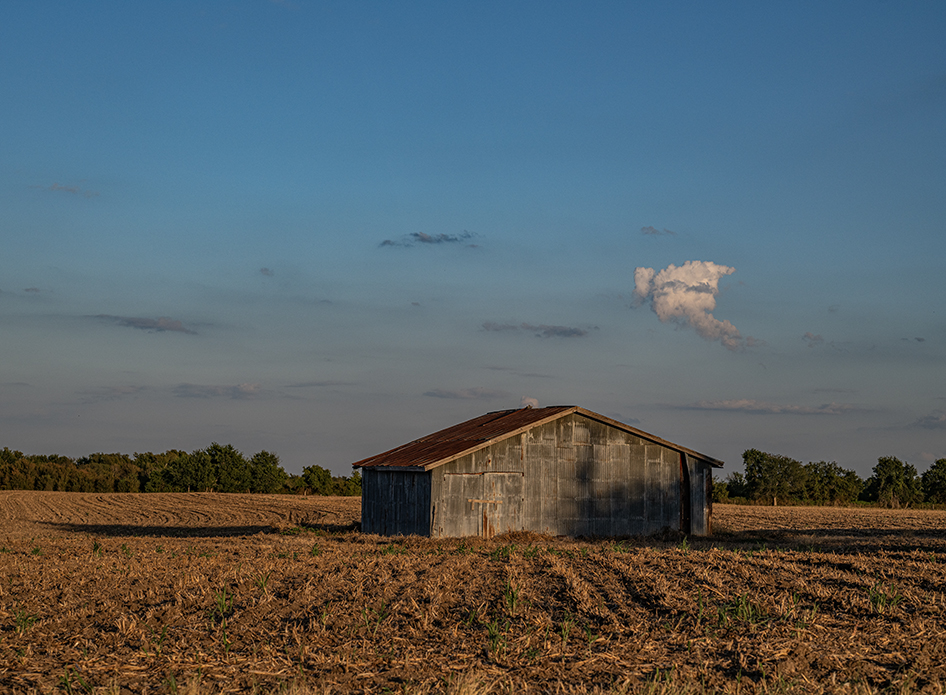
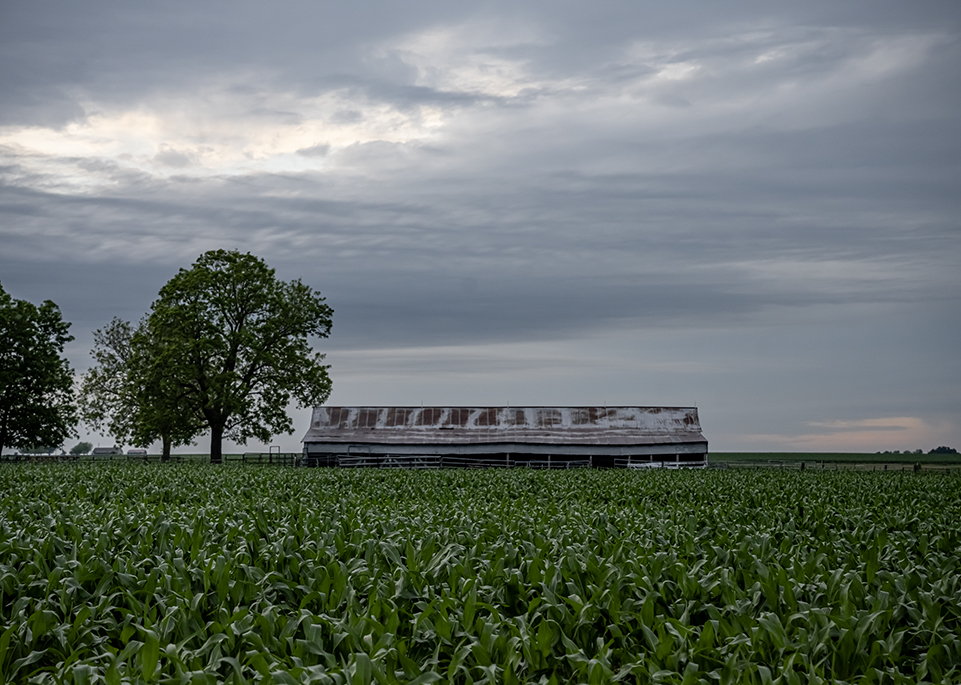
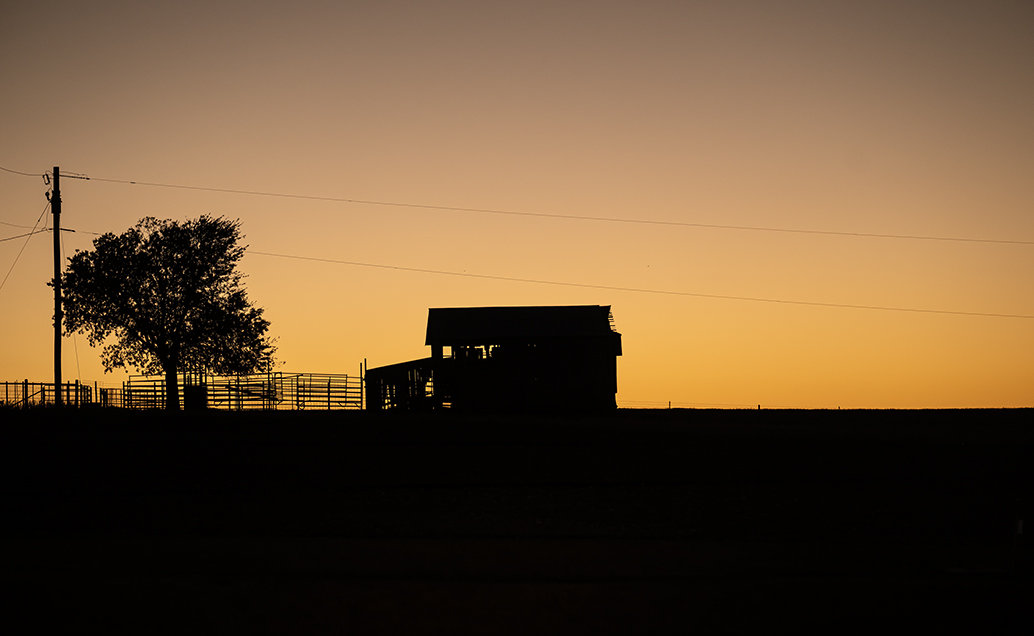
One of the last things photographed tonight, this scene near Thrall, Texas. It was a frustrating ramble until this came into view. You won’t see an apology for windmill photographs. They make this photographer feel good. 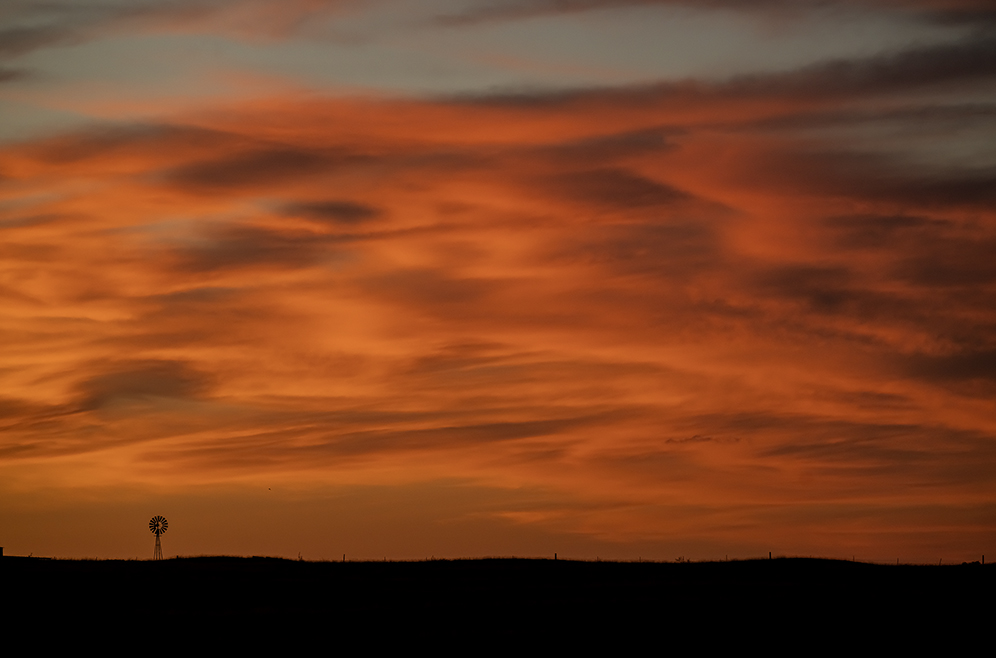
From Tuesday night wandering, this time near Granger. Turbulence, while at times. can be dangerous, can bring forth the most expressive skies. We had some rain last evening in Taylor, others a a bit more. 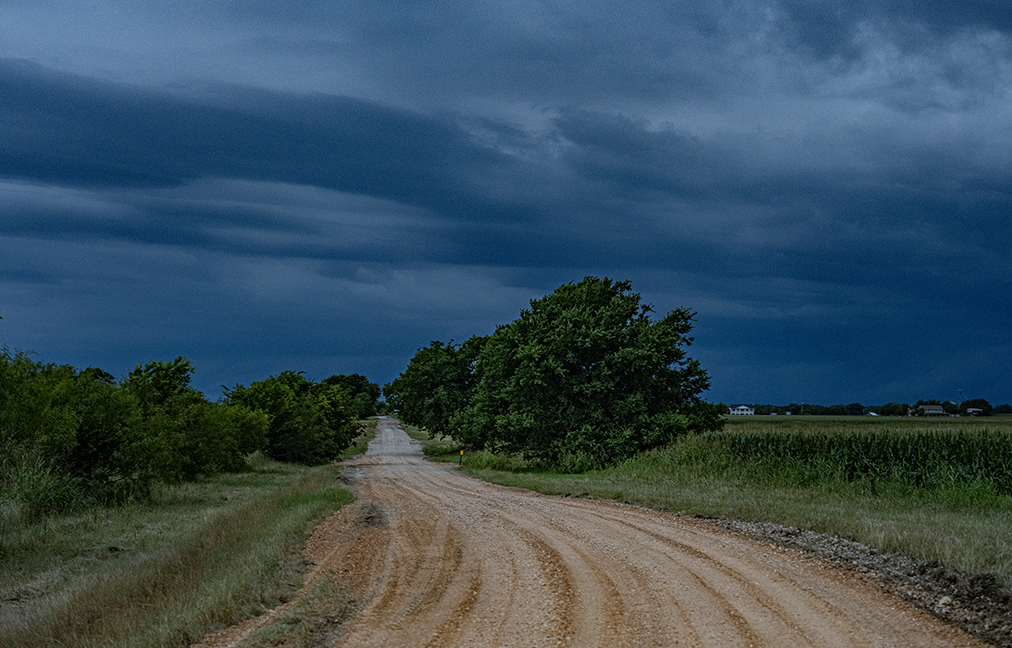
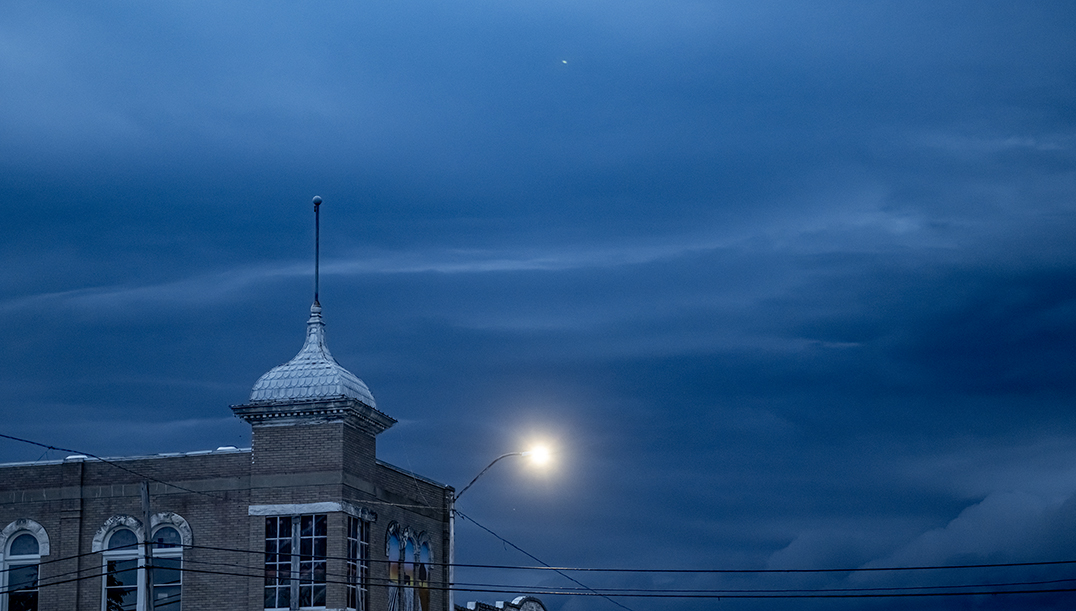
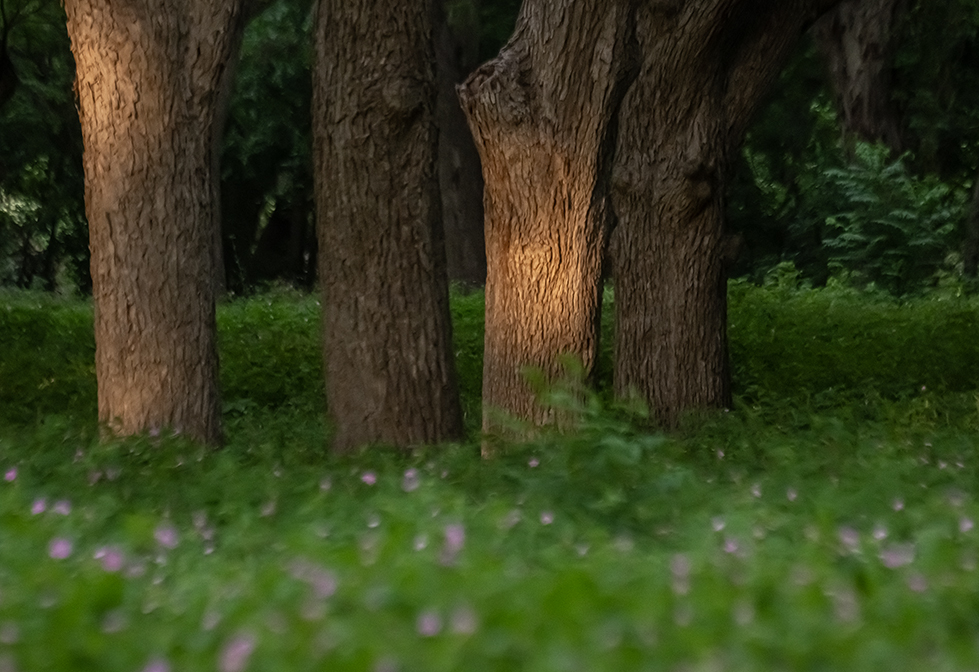
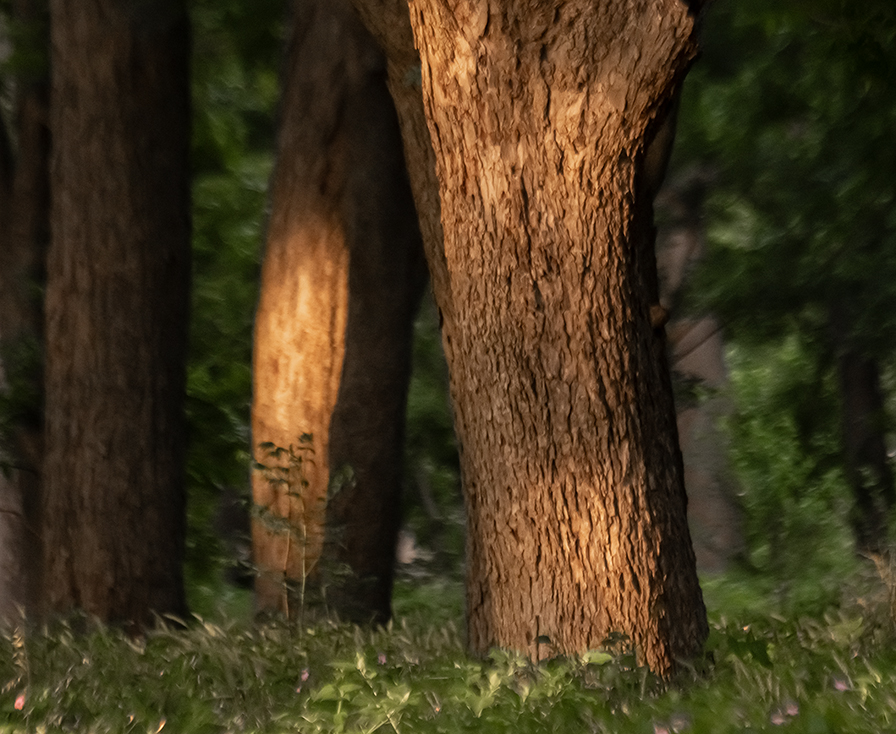
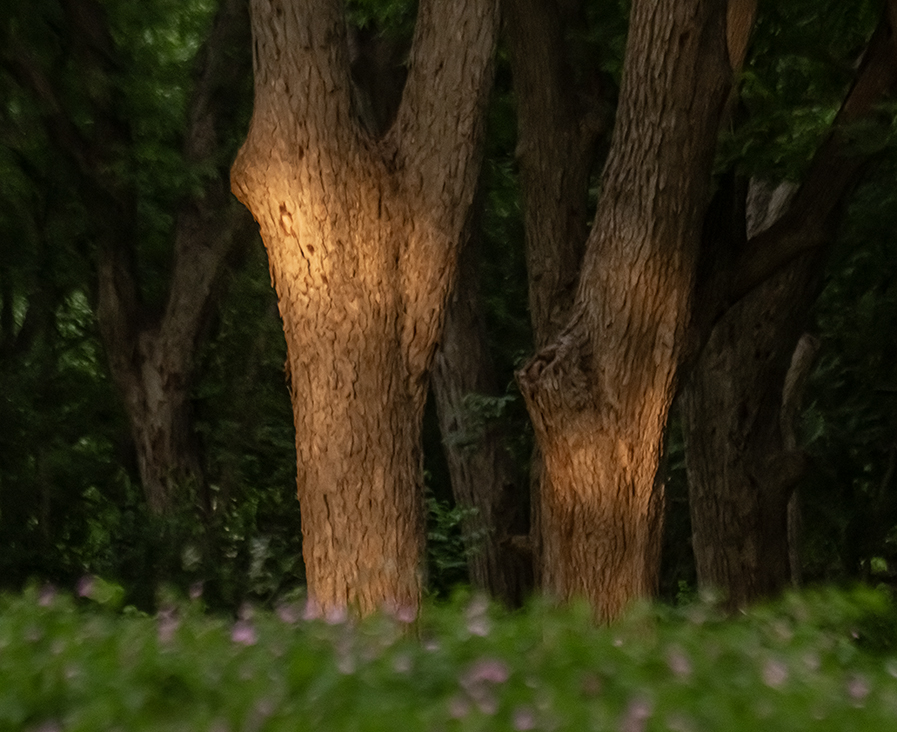
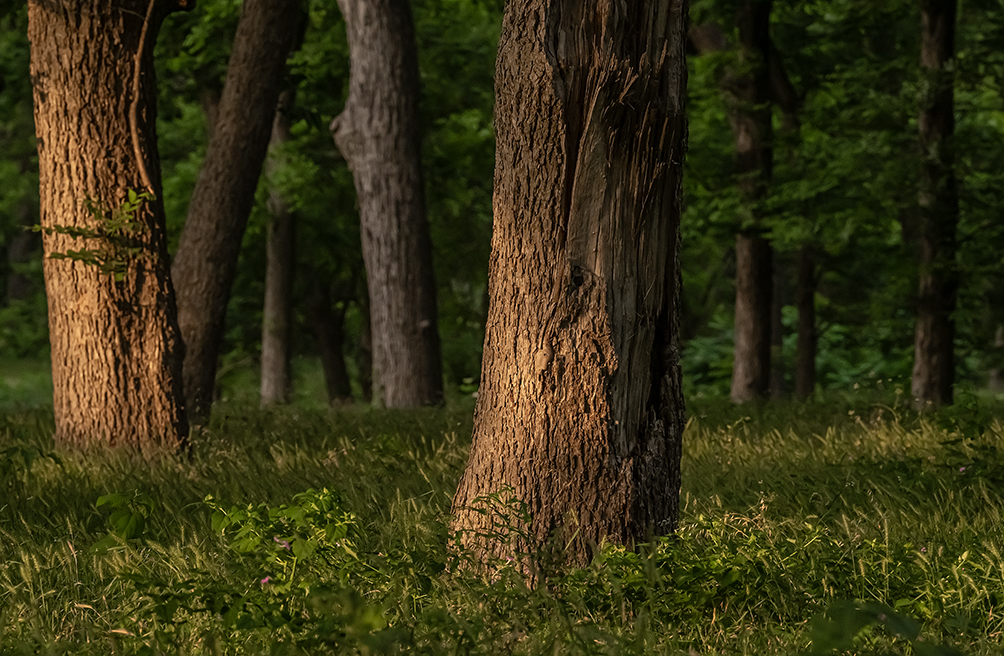
This is just about trees. And how light falls on them. Taken a few evenings ago. This little grove has been a special subject for a few years. 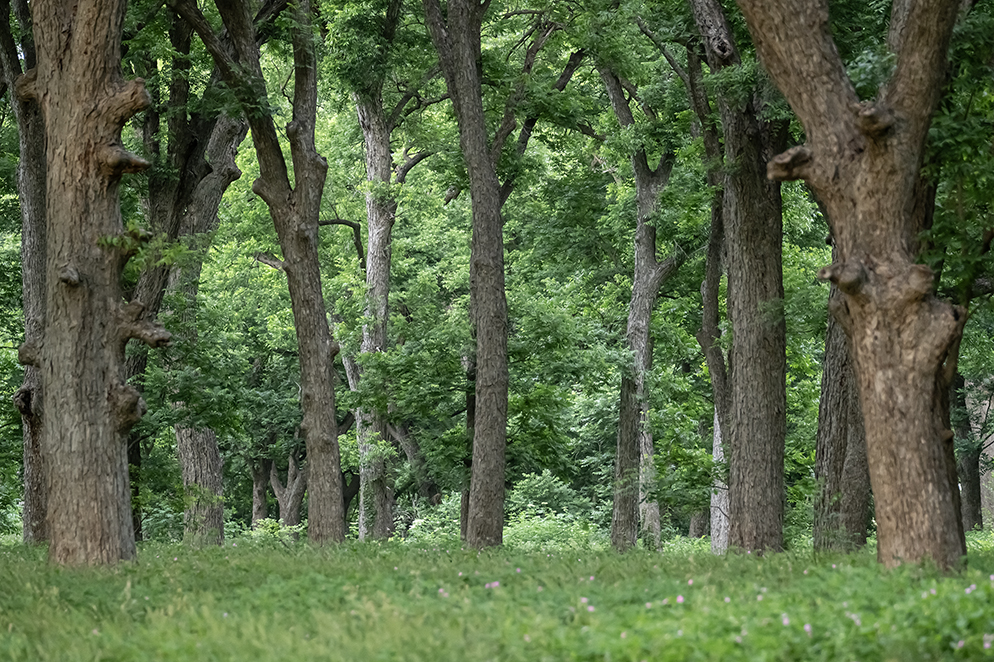
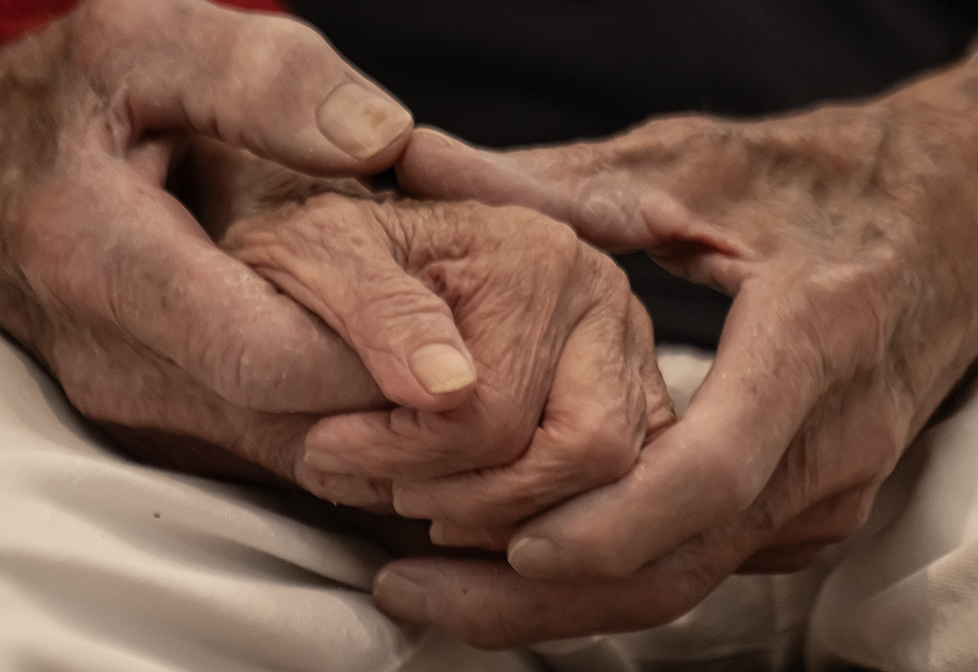
Photographs taken at today’s Memorial Day observance in Sun City, Texas. The threat of rain (it’s actually coming now) moved the ceremony indoors. The opening photo are two World War II veterans greeting each other. The fellow at left is a Navy veteran who will be 100 in June. His friend at right is an Air Force veteran, celebrating 99 years in two weeks. The closeup of hands are the soon-to-be 100-year-old holding the hands of his wife. They’ve attended every Memorial Day event here. And they always hold hands. That’s nice. 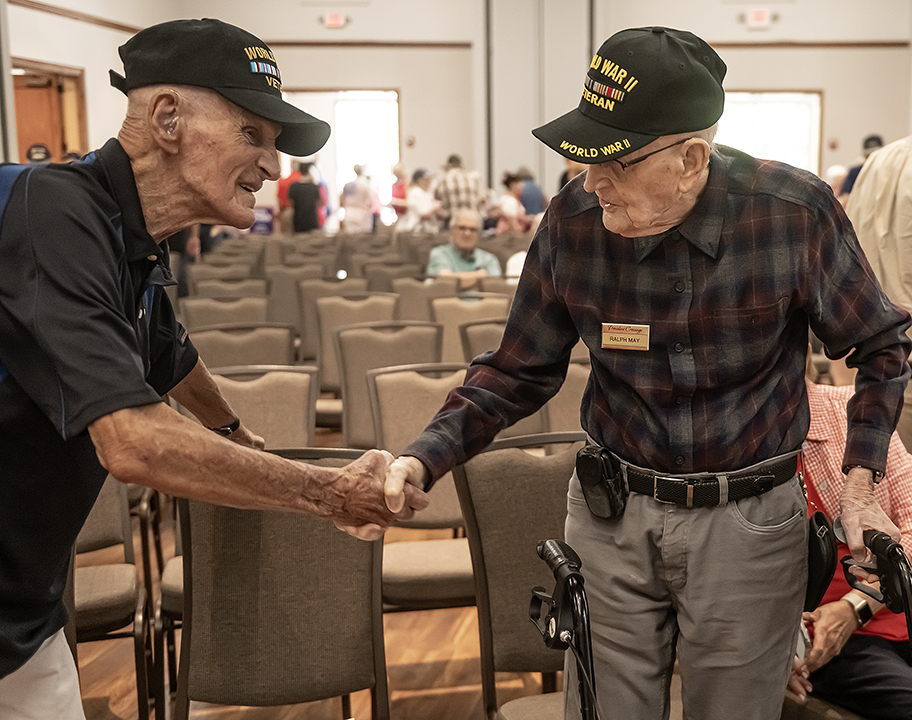
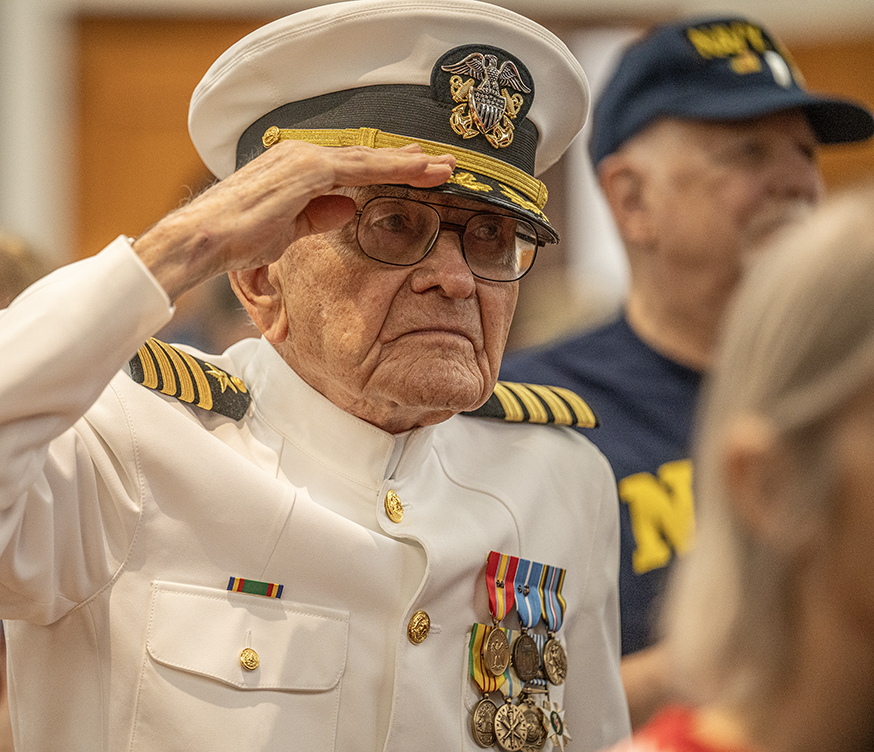
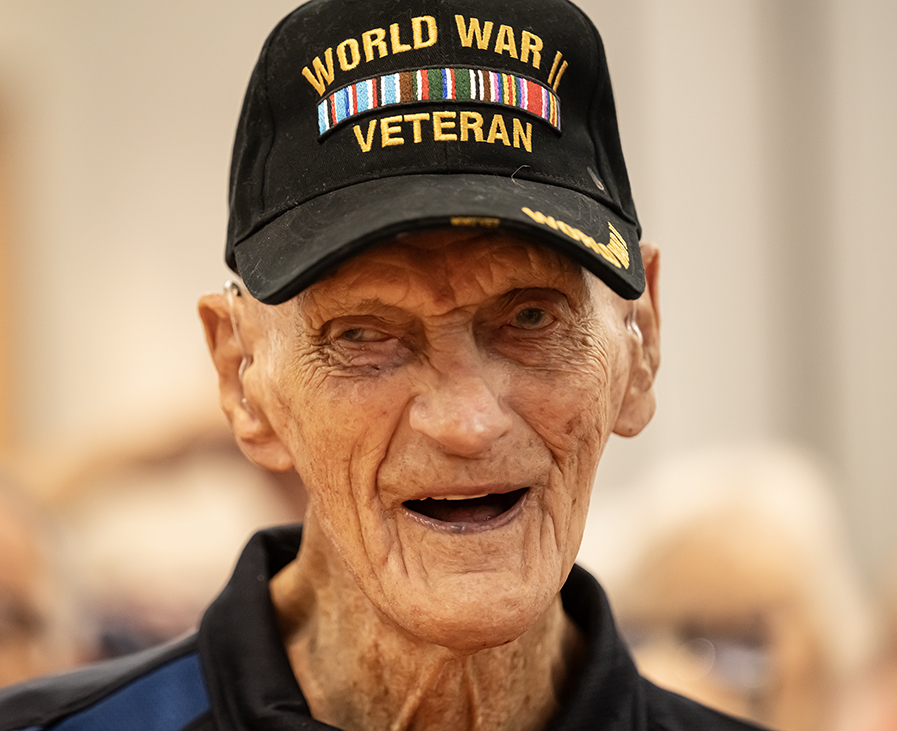
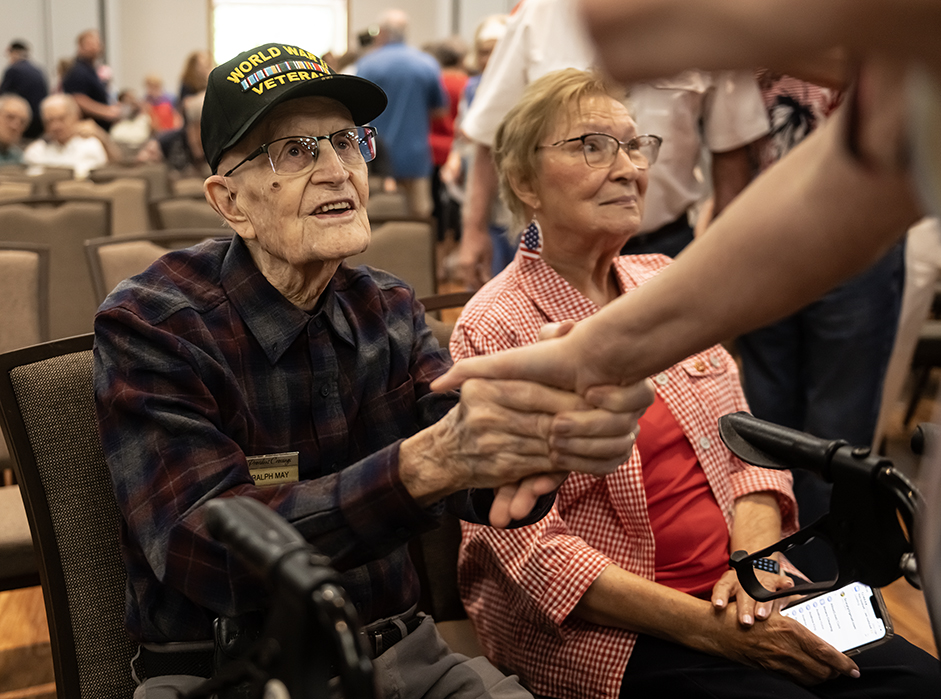
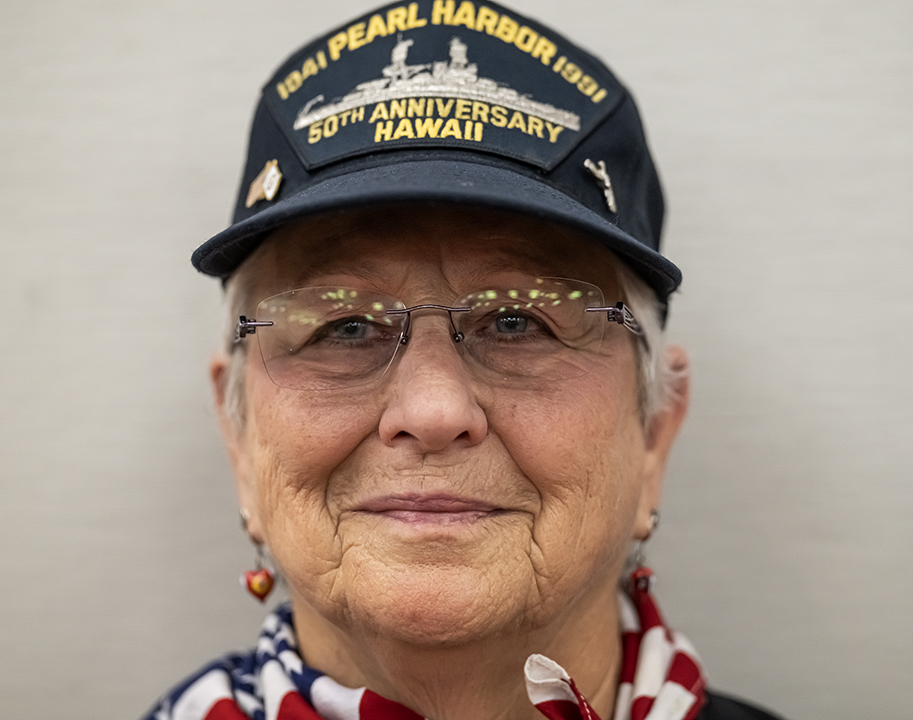
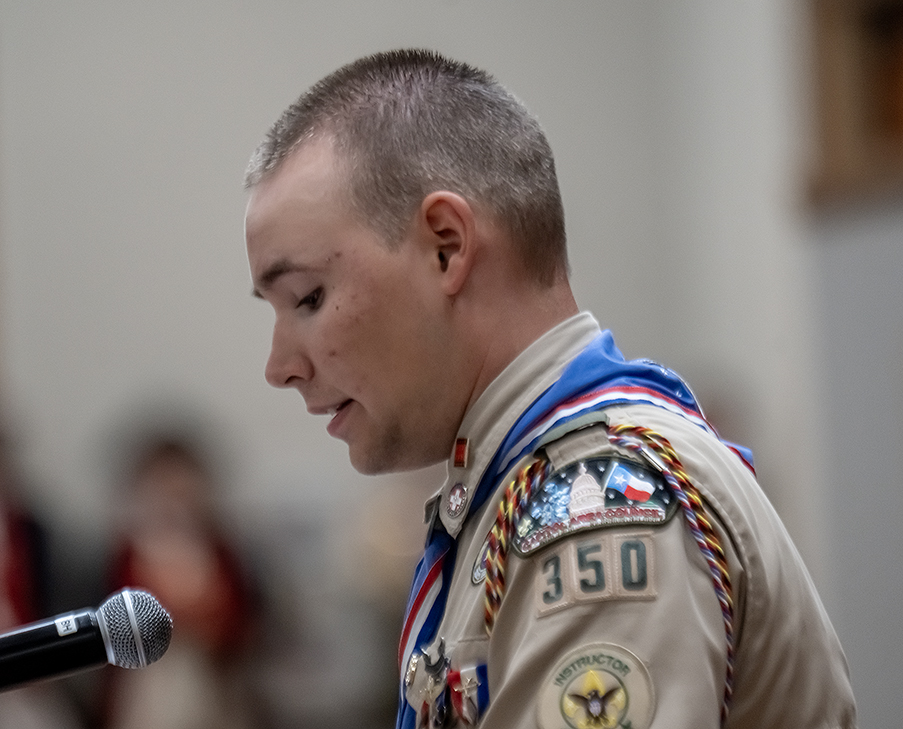
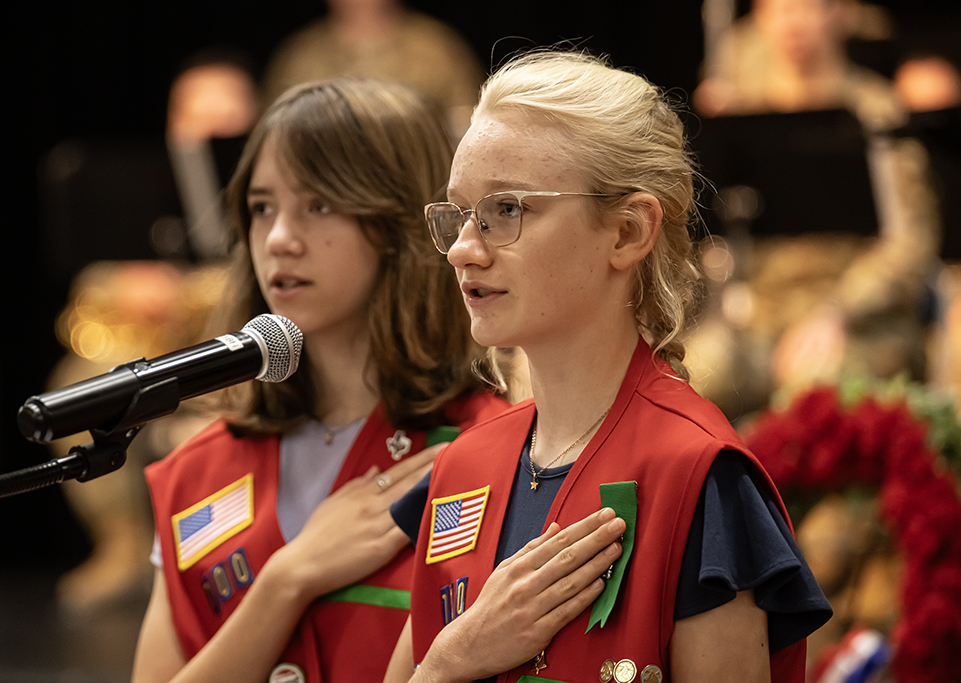
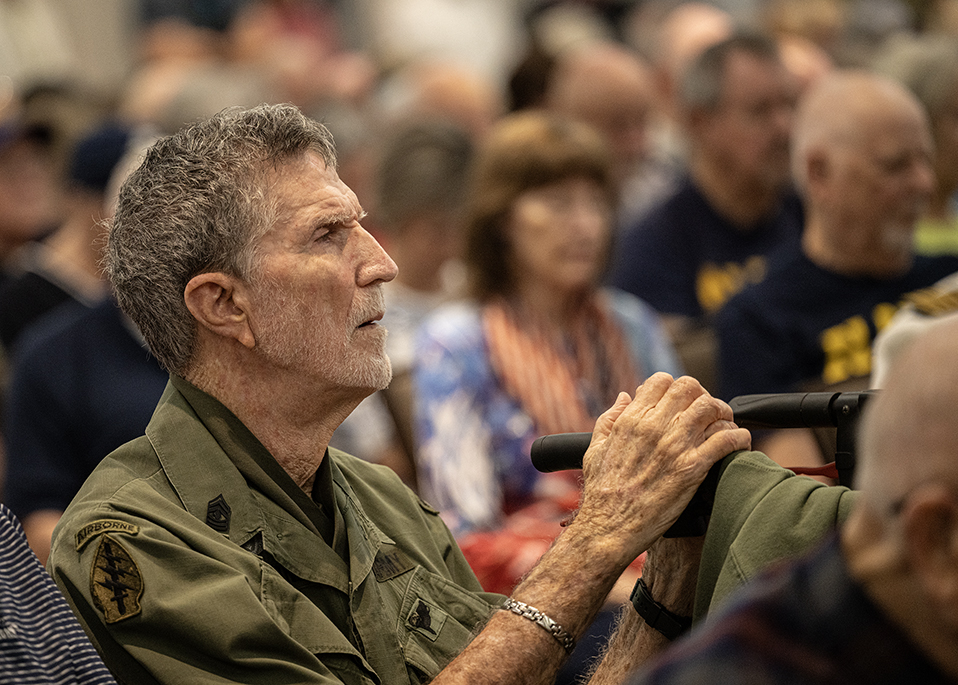

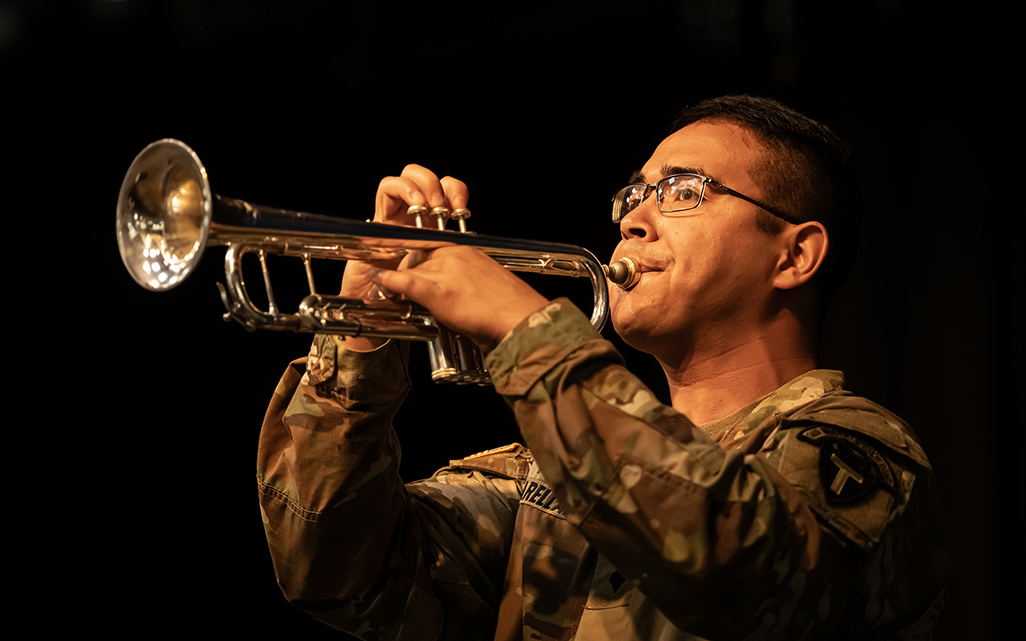
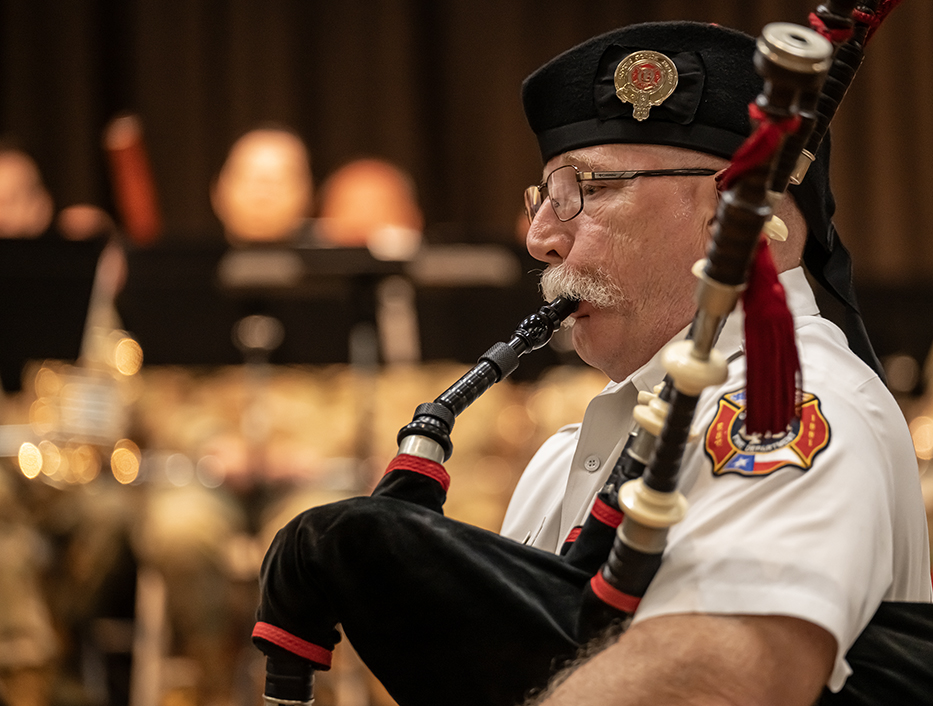
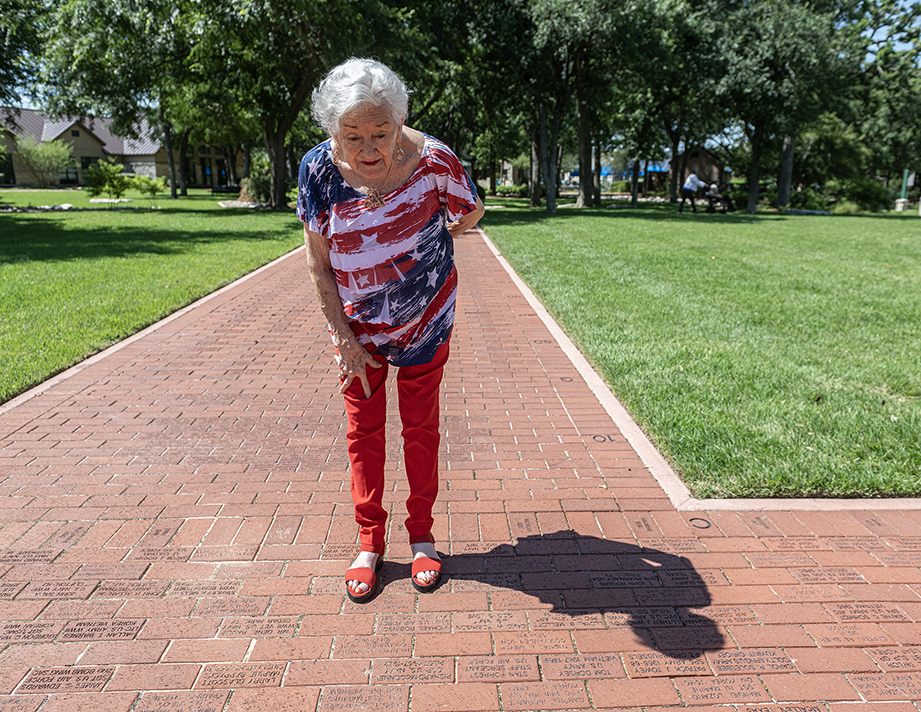
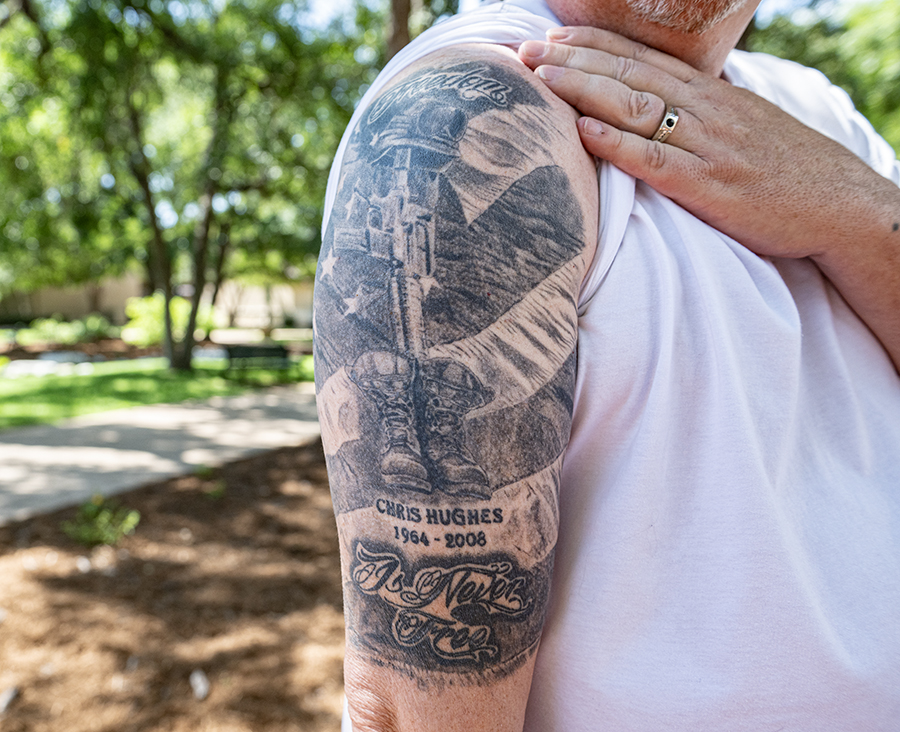 One veteran, 97, came well-dressed in his Navy uniform, by far the most well-dressed person in attendance. Most others included don’t need much information. Since the rain held off, one lady stepped outside to the Williamson County Veterans Memorial Plaza to find her late husband’s commemorative brick. She did find it! The post concludes with a veteran displaying a tattoo commemorating the life of his friend, who died in combat in Afghanistan in 2008. It’s a fitting end to this post.