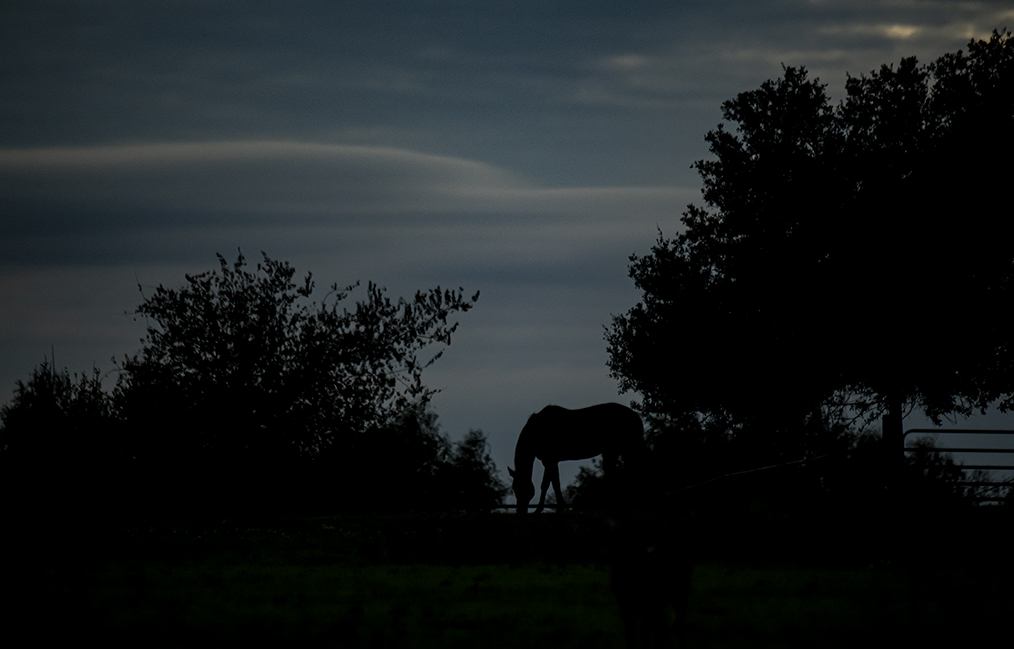
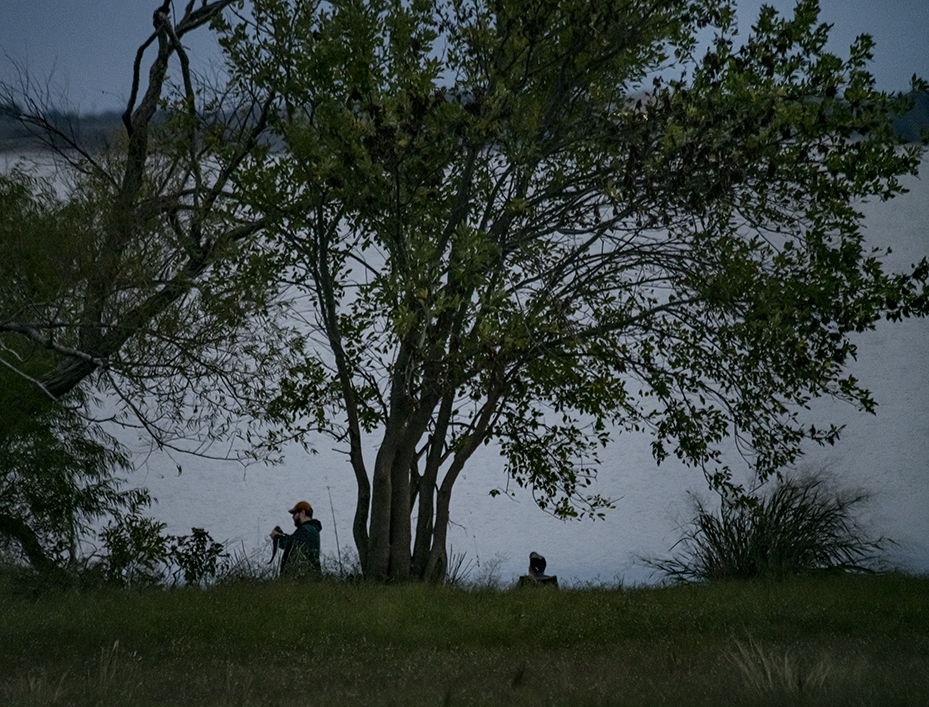
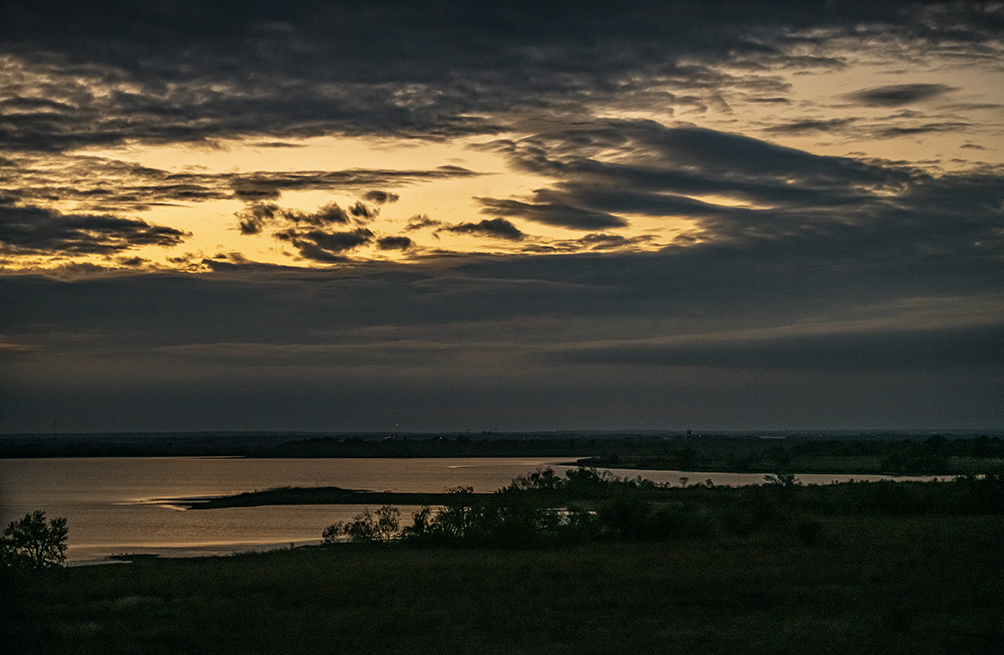
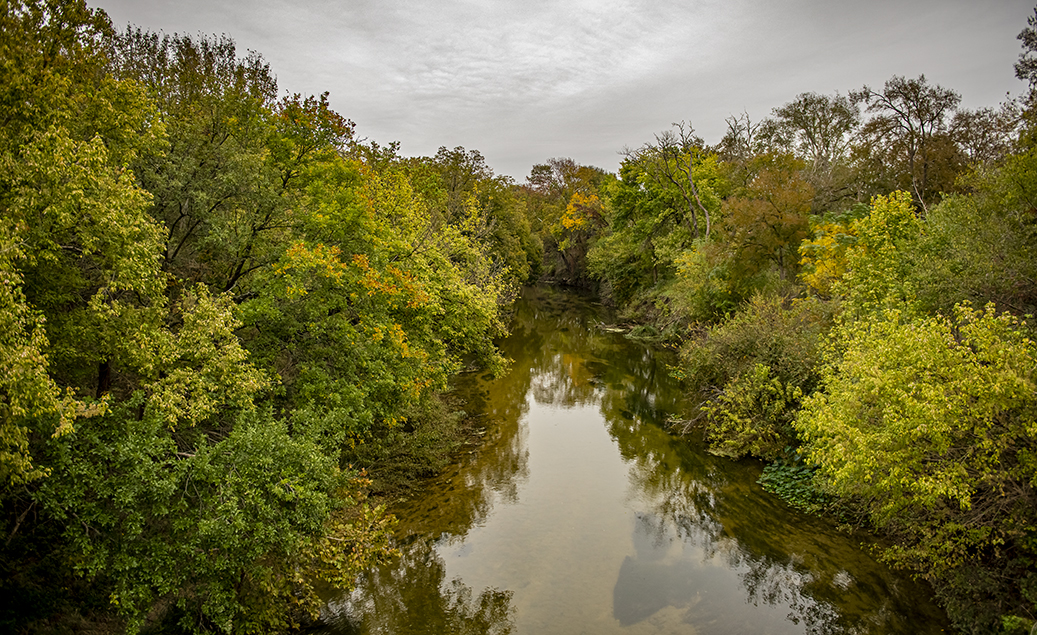
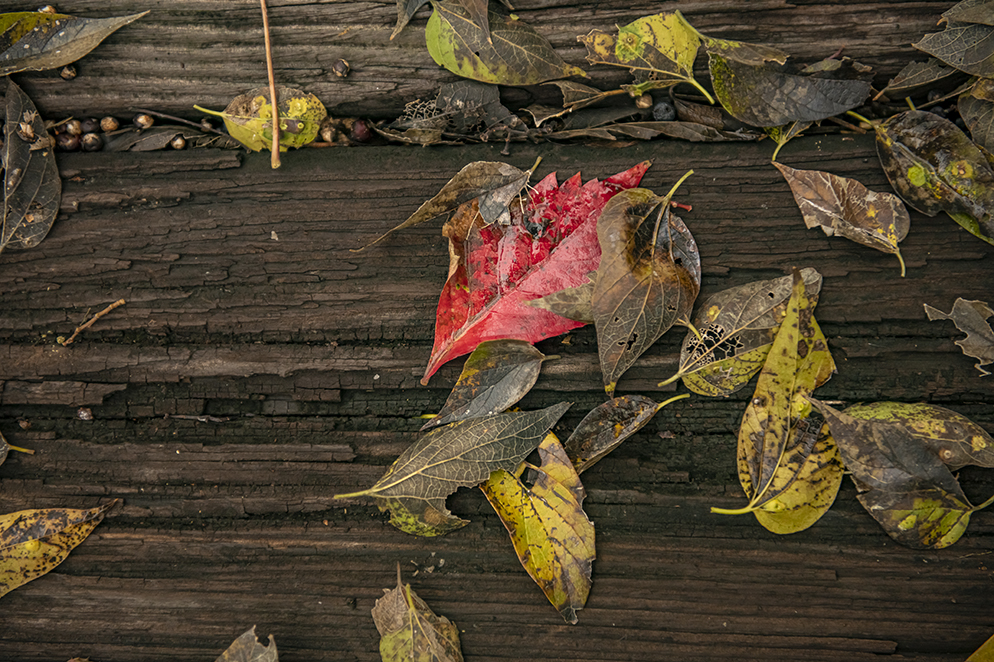
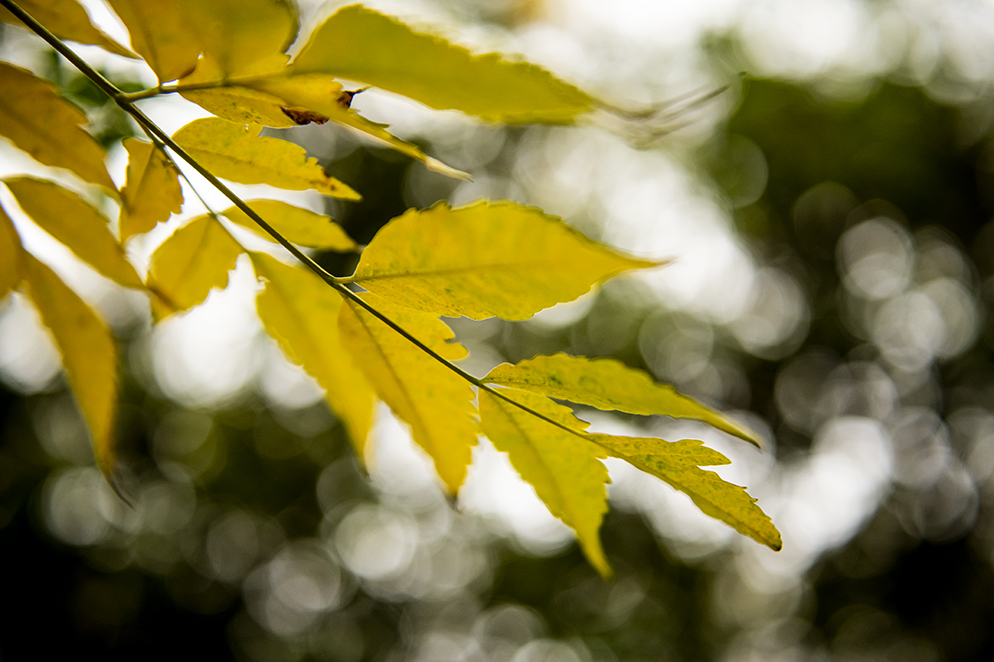
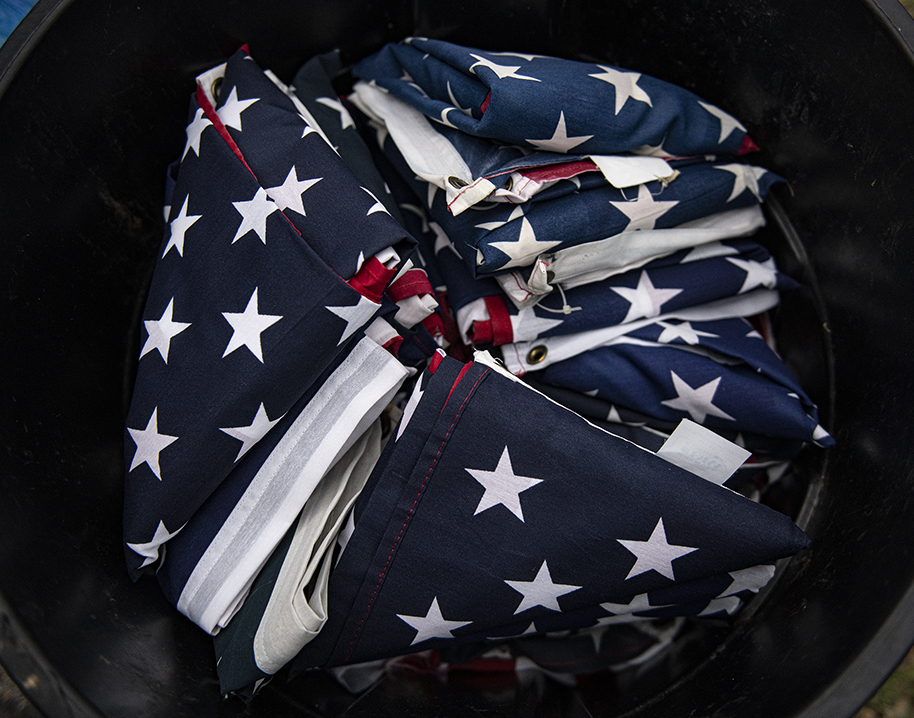
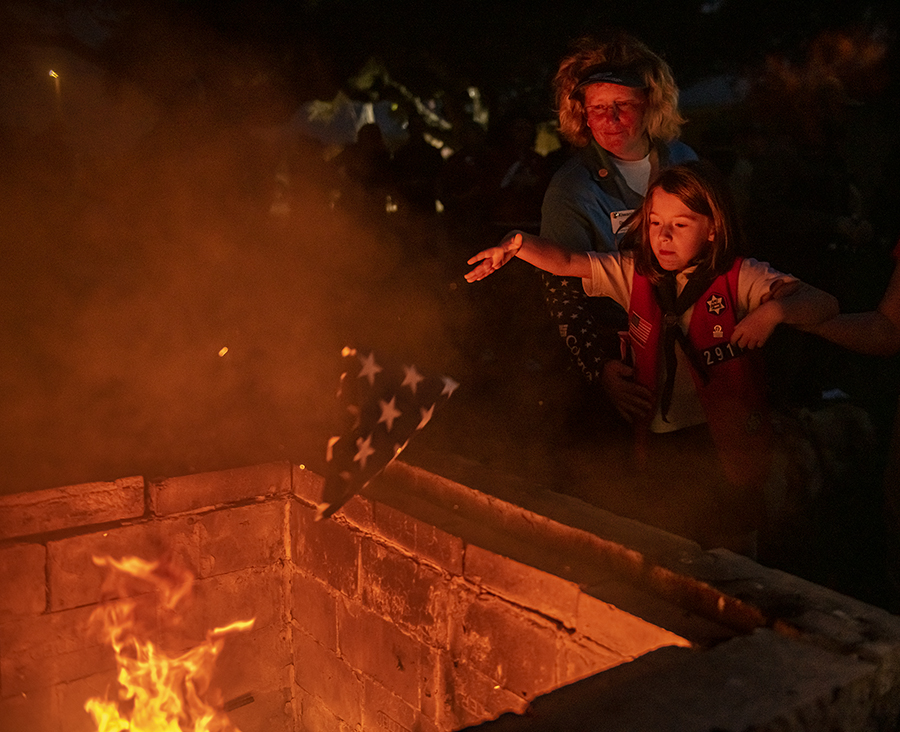
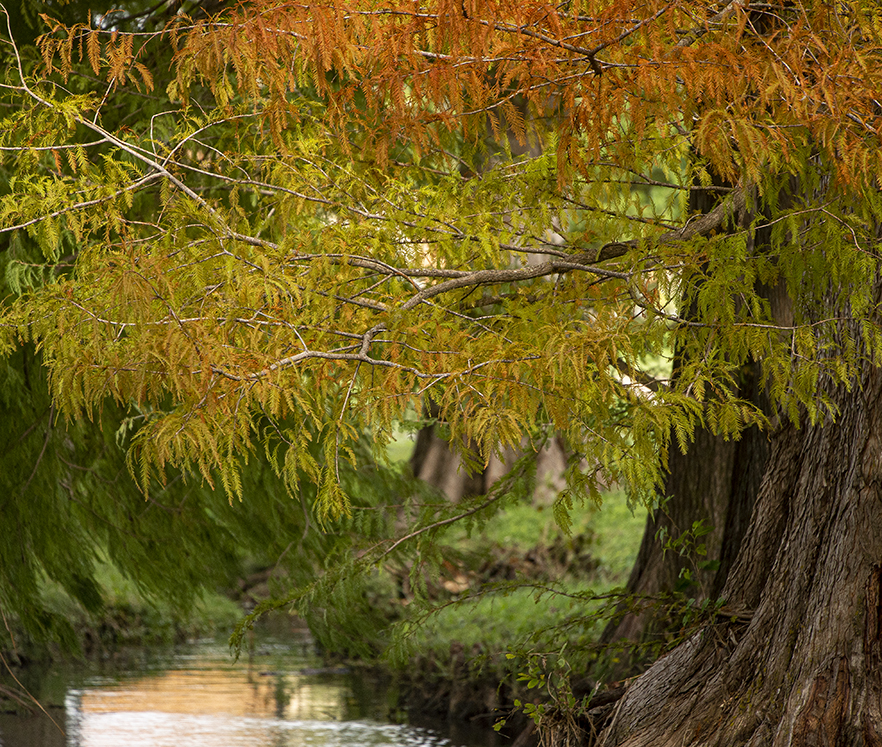
Just some fun stuff, friends. With the temperature around 90 degrees Saturday afternoon, I stopped by Georgetown’s San Jose Park. The kids were having a great time. Temperatures are expected to reach the 80s by mid-week. No doubt families will once again take advantage of this free attraction. 


Category Archives: Uncategorized
The Rookery (Continued)
The rookery at Taylor’s Murphy Park will continue to be noticed for as long as we live here. These are photos from a recent evening. In addition to egrets, cormorants and ibis, it’s not unusual to see Sandhill Cranes flying overhead. They aren’t nesting here, just passing by. The more the merrier. The rookery is close to home, a place to unwind and observe. 


Prairie Clouds
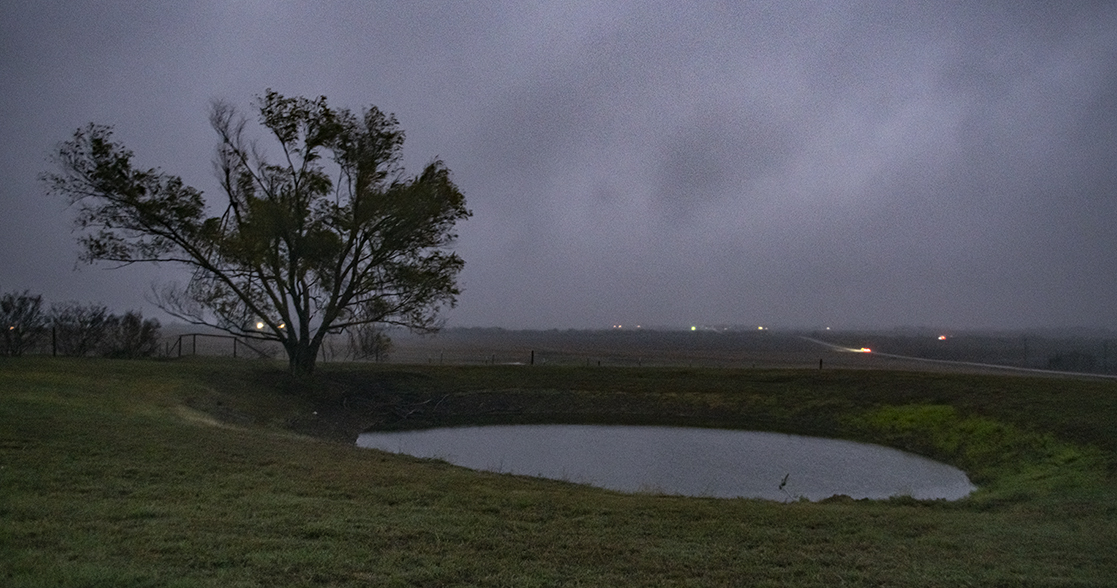
You probably won’t find a sharing of life’s issues on these pages, but you might see what gives me strength to continue. I broke away from this computer this evening for a ride with our dog. She loves those rides. The clouds, often pleasant, were a rich pastel gracing the Blackland Prairie. In the opening photo those clouds gathered over a wheat field. Continuing our wandering, a few minutes later we happened on a field and stock pond, the skies getting richer. Before calling it a night, we stopped one more time to observe two restful cows under those evolving skies. 

They faded to gray after this. We headed home. All are in Taylor.
The Coming Rush
As most folks probably know, the area around Taylor, Texas is in the middle of a growth spurt. When we returned to Texas in 2009, we chose this area for its natural beauty, also because it gave us an opportunity to enjoy a slower pace. 29 years in metro-Atlanta can have that effect. With the anticipated opening of the Samsung Semiconductor factory in Taylor next year, much of what we love is disappearing. Proponents of growth point out the factory will eventually employ 18,000 workers. People do need jobs. But the rural way of life in this area 30-plus miles northeast of Austin is fading. Housing developments are being built. Farm-to-market roads are changing, too. An example given here are friends Raymond and Diane Naivar, who have lived and farmed their land for 45 years. Raymond is still farming, with 18 acres of corn planted this spring, but within view every day are construction cranes for Samsung. Their once-peaceful country road will eventually be ten lanes. A spring-fed pond where their horses grazed is going away, along with several old-growth pecan trees. Several acres have been scooped up. Samsung’s arrival will bring other companies into the area, too. I’m trying to see an upside, but will need more convincing. Things change. 


On the Lookout
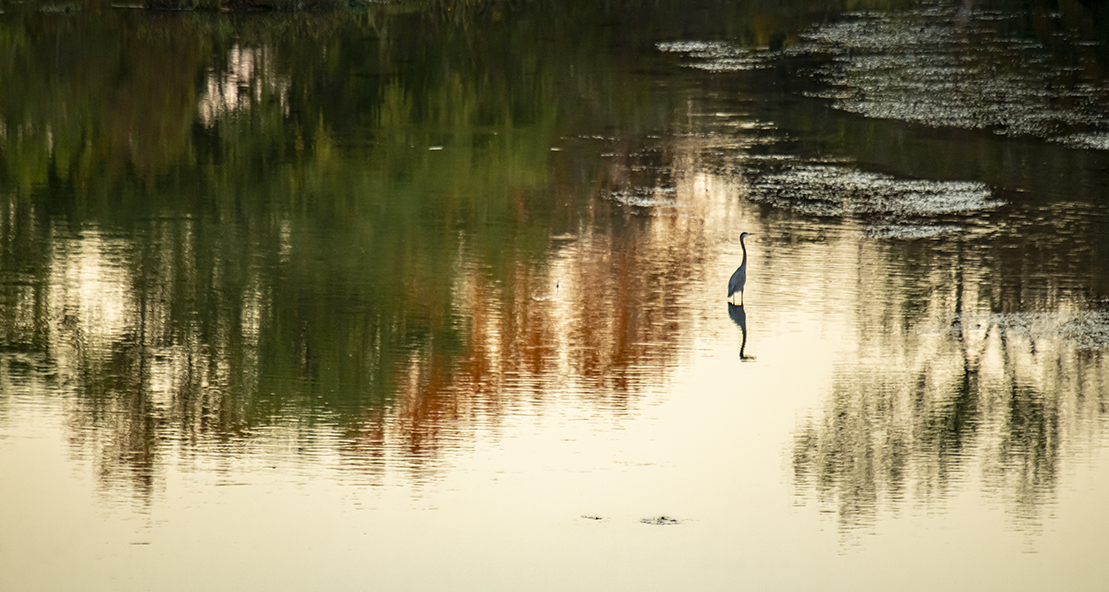
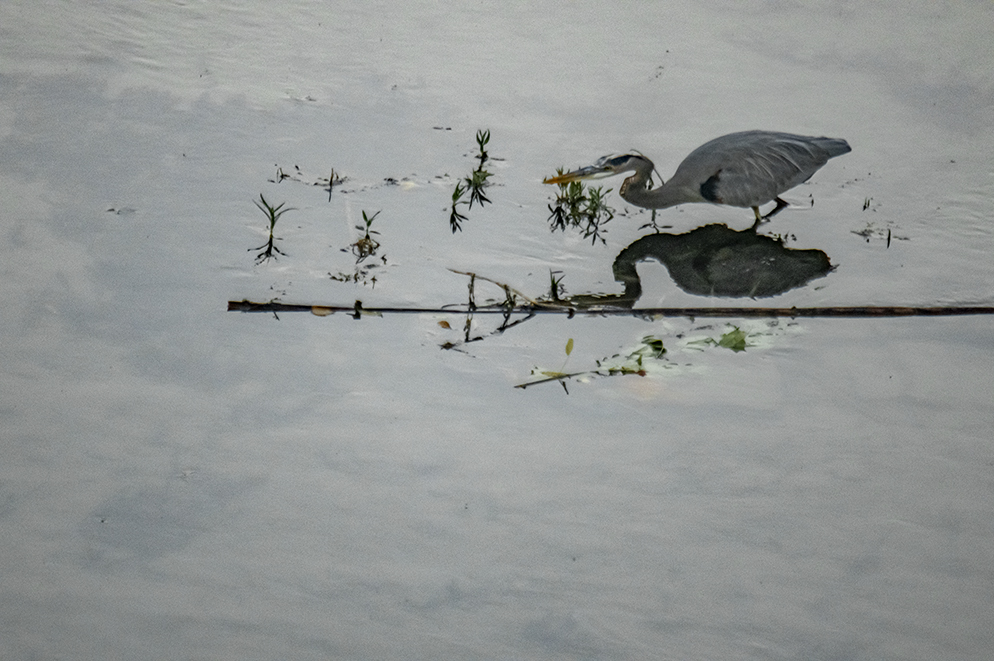
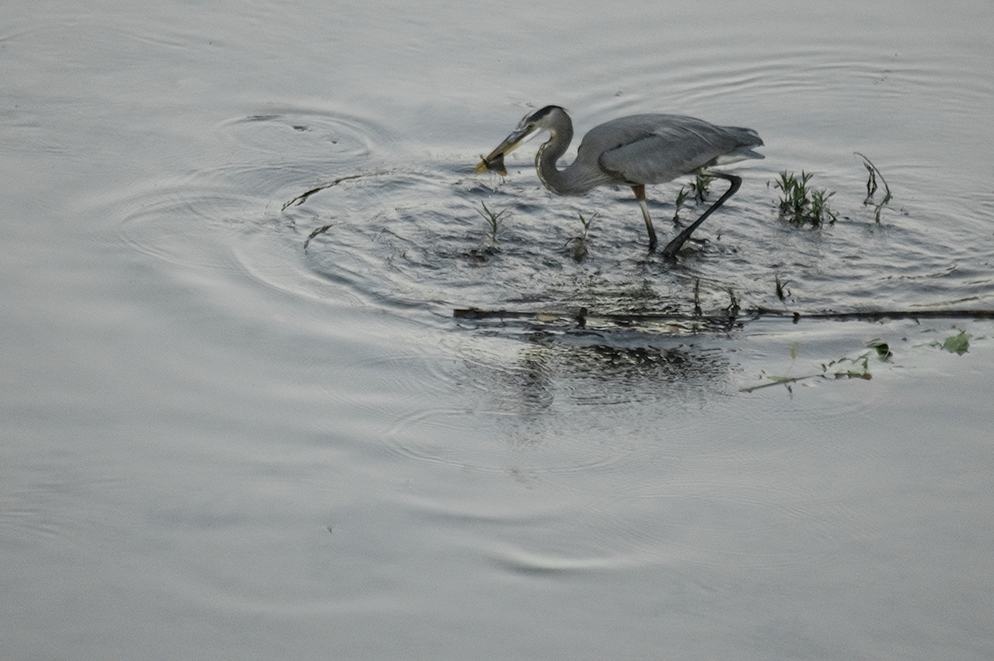
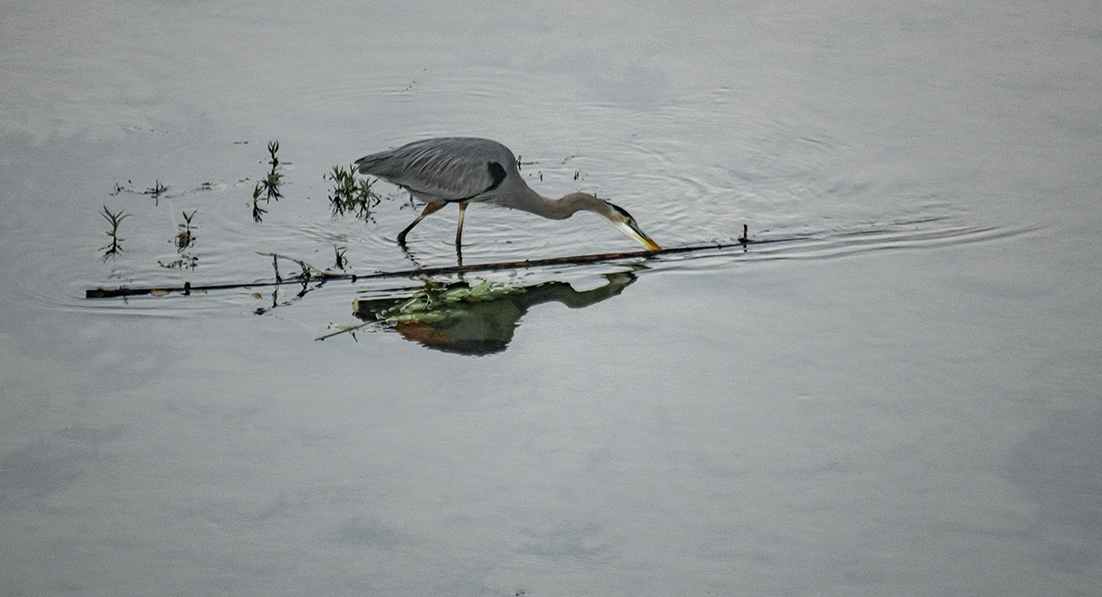
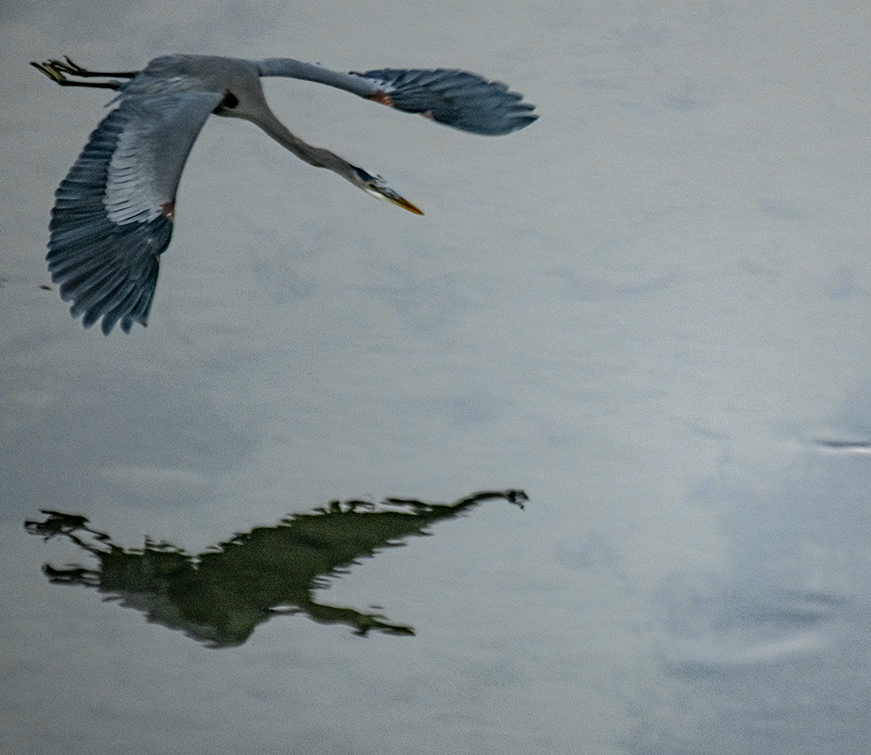
During a morning walk this week I stopped to watch a Great Blue Heron as she trolled the pond for food sources at Taylor’s Bull Branch Park. A fellow walker stopped, too, asking me what kind of bird it was. I answered, then we both continued our strolls. The bird moved on, too.
Many friends know much more about the avian world, but it was nice to offer what I knew.
Tonight’s Coupland Skies
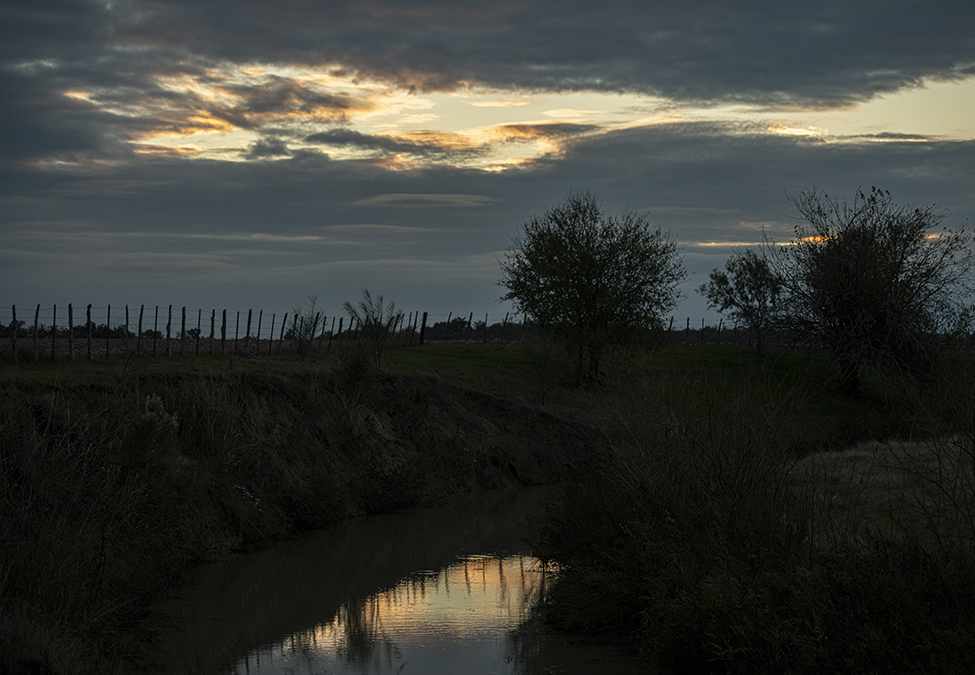
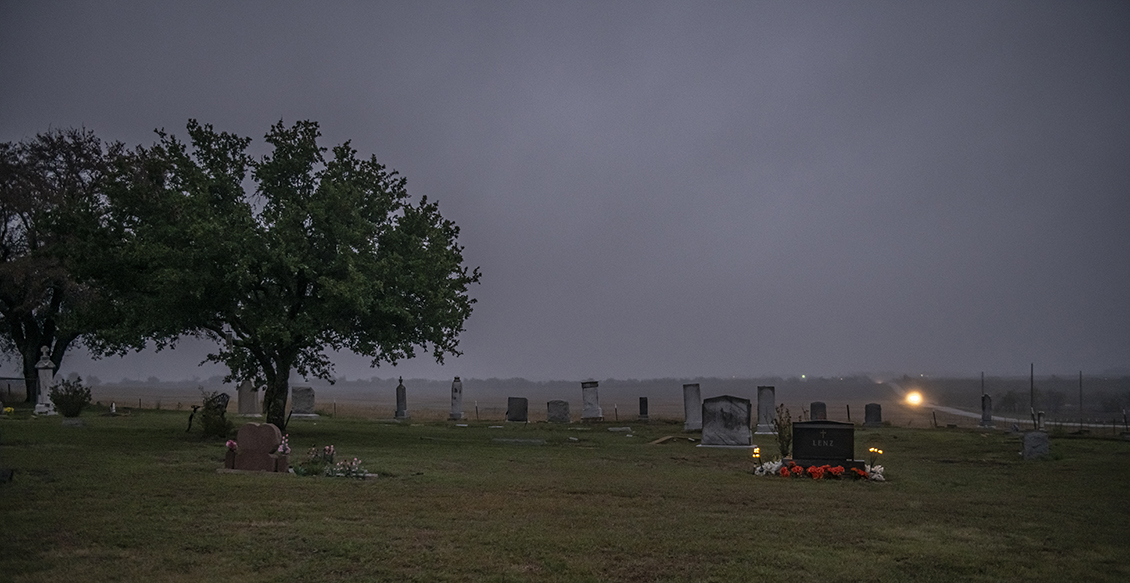
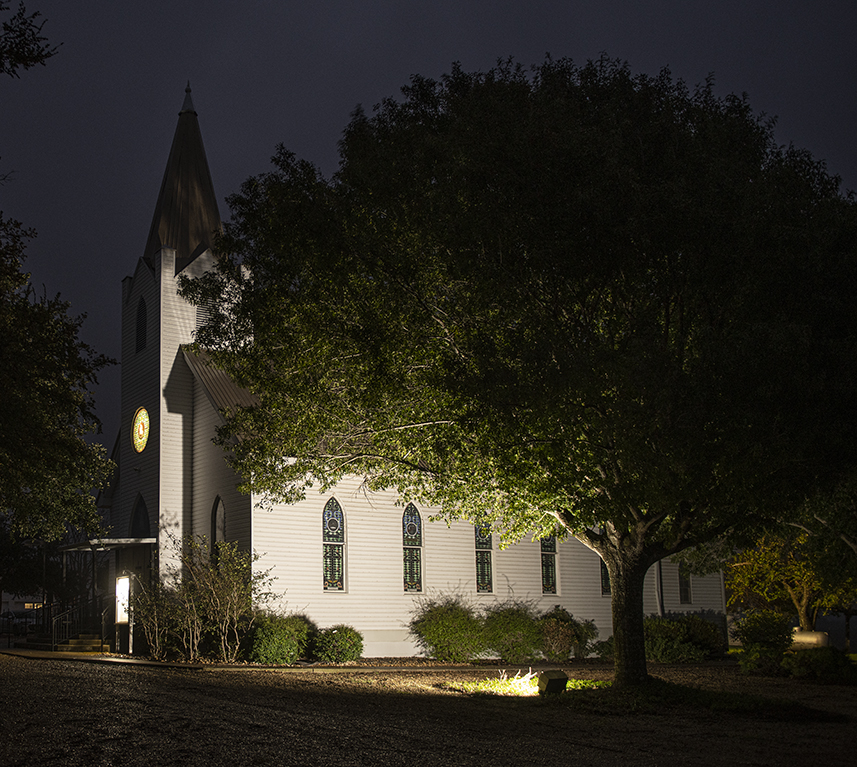
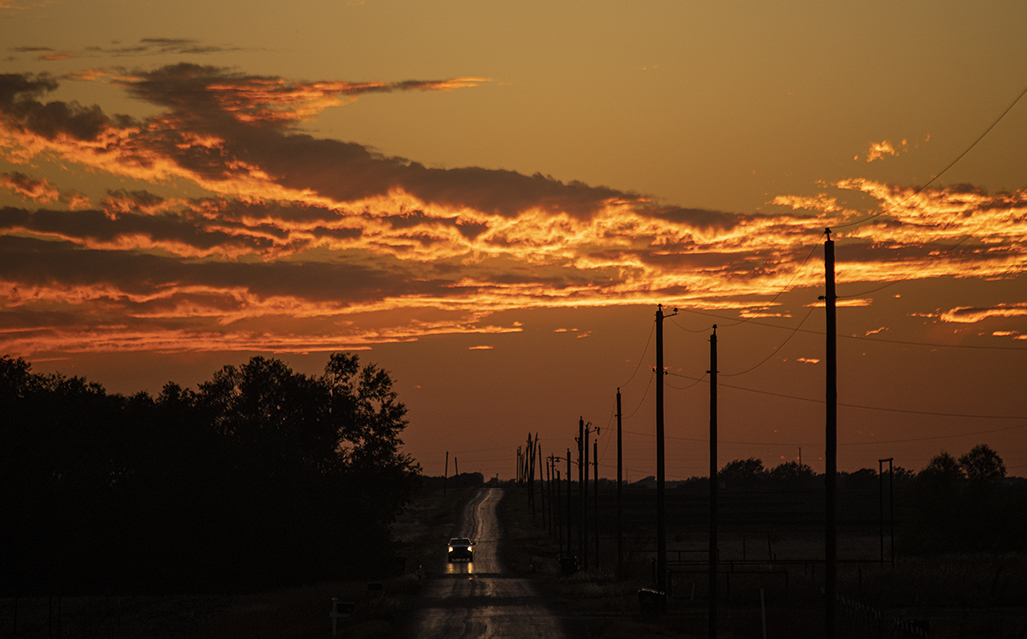
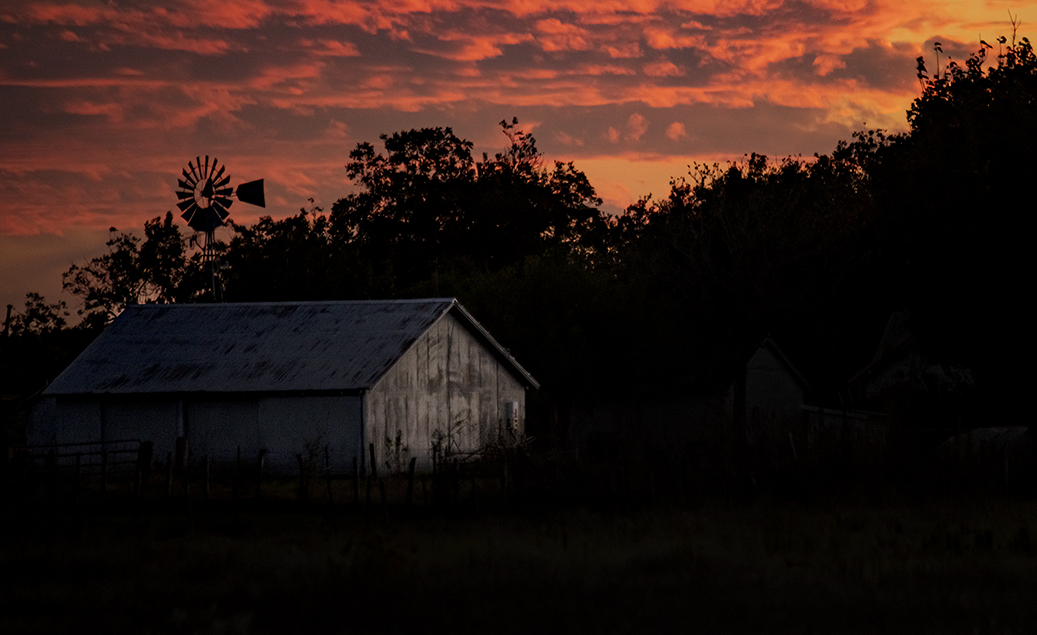
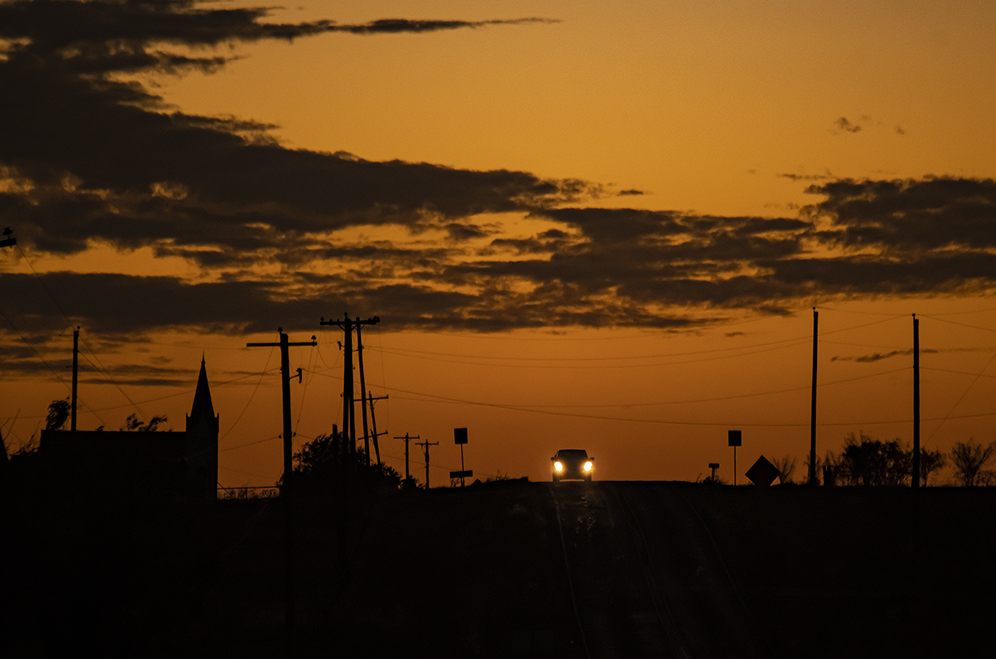
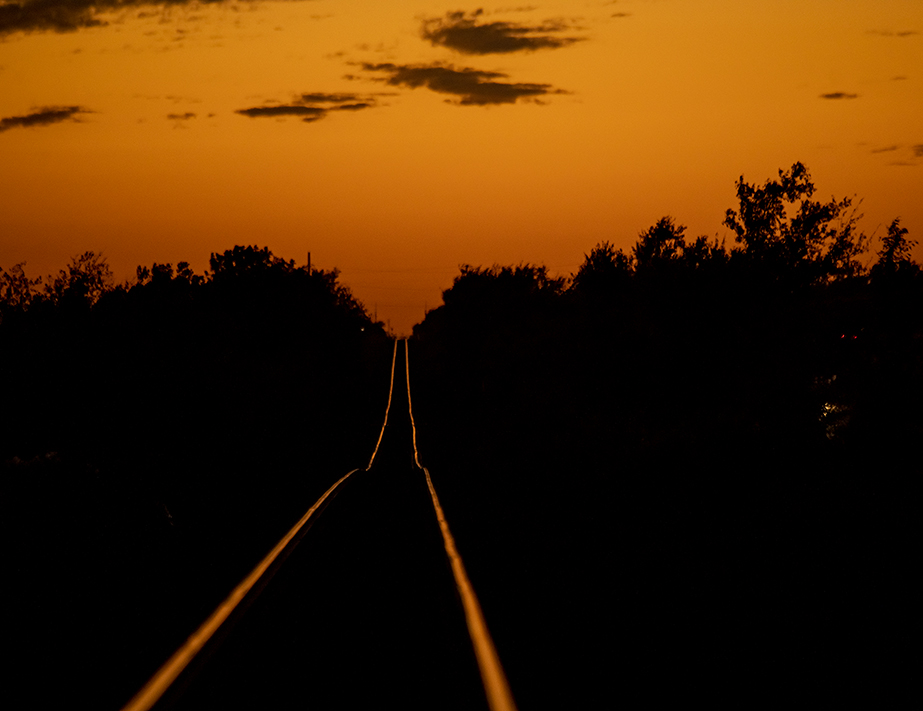
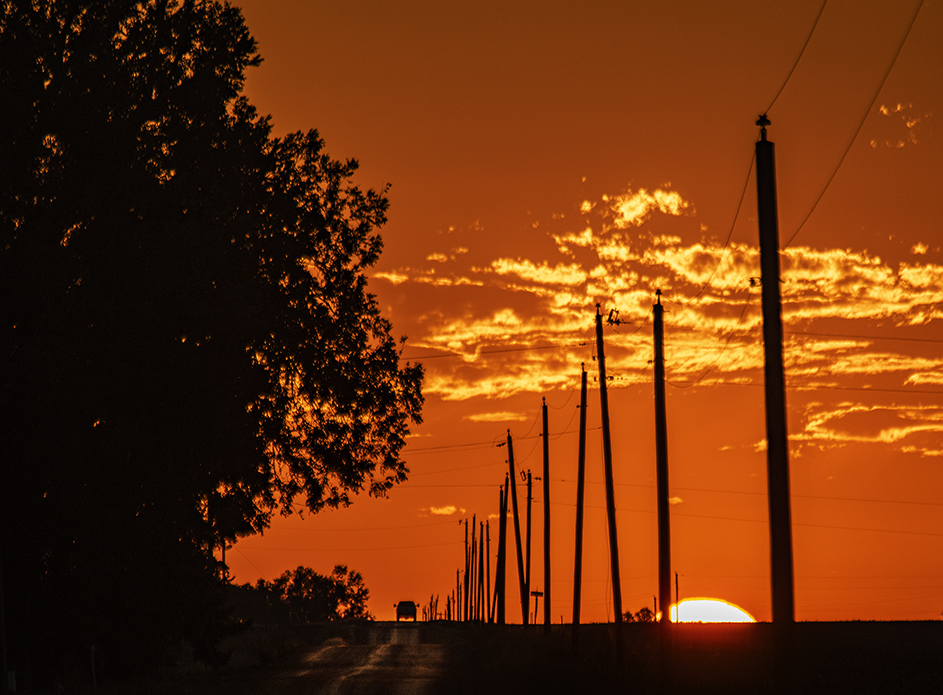
This wasn’t my planned post, but this post-sunset scene in Coupland this evening changed the plan. The beauty of the Blackland Prairie inspires. 
Williamson County Wildflowers
Most of these photographs have been sitting in files on my computer’s desktop for a while. I have a habit of leaving files there for months. That desktop gets mighty cluttered. In past years I’ve wandered around the state in search of something nice. The photos, however, are all from Williamson County, Texas. My car appreciates that. 


A Little Prairie Model
Another simple offering tonight, friends. This calf seemed entranced by the camera’s attention. She seemed intent on striking poses during our brief encounter. I’m thankful it was a slow evening for traffic, allowing time to observe her curiosity. 


Understanding Quiet
Although I’ve known his son Carl for years, in late-2022 I met Carl’s father, Dale Illig, during an event at Georgetown’s San Gabriel Park. He began that first visit with something I’ll always remember. “You know why I like your work,” he began, “because it’s quiet.” There it is, friends. This is someone who understands my photographic philosophy. In the early-70s, one of my mentors, a practicing photojournalist, told me it’s okay for photos to whisper. It gave me confidence that what I did was okay, even if it didn’t always fit into the framework of newspaper photography. It’s amazing I’ve been able to make a living in an environment that seems to embrace dissonance and noise. But I digress. About a month ago, a photo taken of a beautiful windmill near Walburg got some attention from none other than Dale Illig, the owner of that windmill. Mr. Illig, a retired attorney, and President of the W.D. Kelley Foundation, was the windmill’s owner. The windmill, unlike many seen, is pretty new. It glows. At the time I didn’t know it was his windmill. I just liked how light graced its blades. After posting the windmill on Instagram, Mr. Illig, who followed me there, shared that the windmill rested in a field on his 189 acre farm. Although he lives in Georgetown, Dale finds time to relax on the place he purchased in 2012. The opening photo is the windmill. The others, taken the following week, were when Illig and I visited the farm together. He has the windmill, but also a nice old barn, a farmhouse, and six stock ponds, or “tanks.” He enjoys taking a swim in one of those. Although development is rampant where we live, Illig hopes to keep his land as it is right now. 


Click on the link for the W.D. Kelley Foundation for more about Dale Illig. I appreciate him a lot.
Visiting with a Dedicated Photographer
Although I met Tom Cavness last month at the Georgetown Photography Festival (and made a few photos of him) it was a weekend surprise to see the Georgetown-based photographer working at Taylor’s Bull Branch Park. For quite some time, Cavness has been honing his skill at photography’s wet plate collodion process. You can find out more on the web, but the technique was invented in 1851 by Englishman Frederick Scott Archer. The process adding soluble iodide to a solution of collodion (cellulose nitrate), then coating a glass plate with the mixture. The plate is coated, sensitized, exposed and developed in about fifteen minutes, producing a negative image on transparent glass. Cavness was taking self-portraits at the park, with 15-20 second exposures. His camera of choice was 8×10 format, a 1933 Burke and James, equipped this time with a circa 1875 Albion lens. His work can be seen here. In the 21st Century, photographers work fast and loose, but it’s really neat to someone like Tom getting in touch with the old processes.